Thinking about a Kensington hillside home and ready to move quickly? You’re not alone. Buyers love the views, privacy, and proximity to Berkeley and Oakland, but these homes require a smart plan. In this guide, you’ll learn how to tour with a designer’s eye, where to focus your due diligence, how off-market opportunities work, and how to write a strong, safe offer. Let’s dive in.
Why Kensington attracts buyers
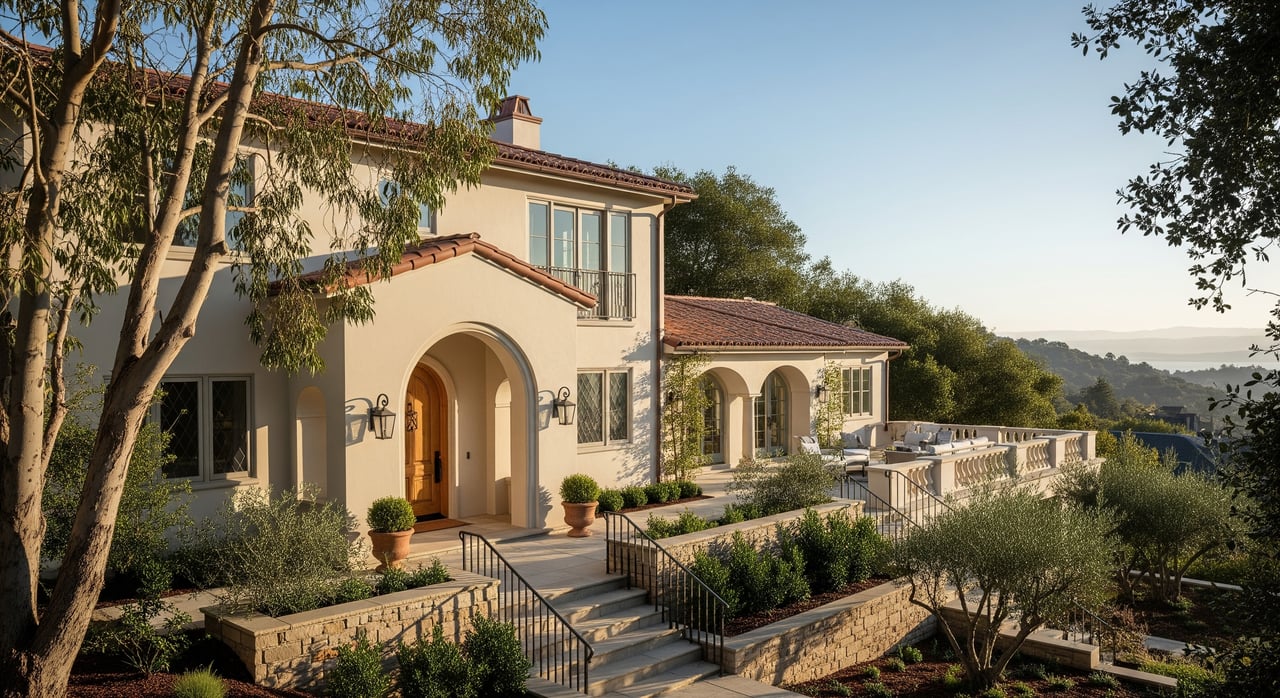
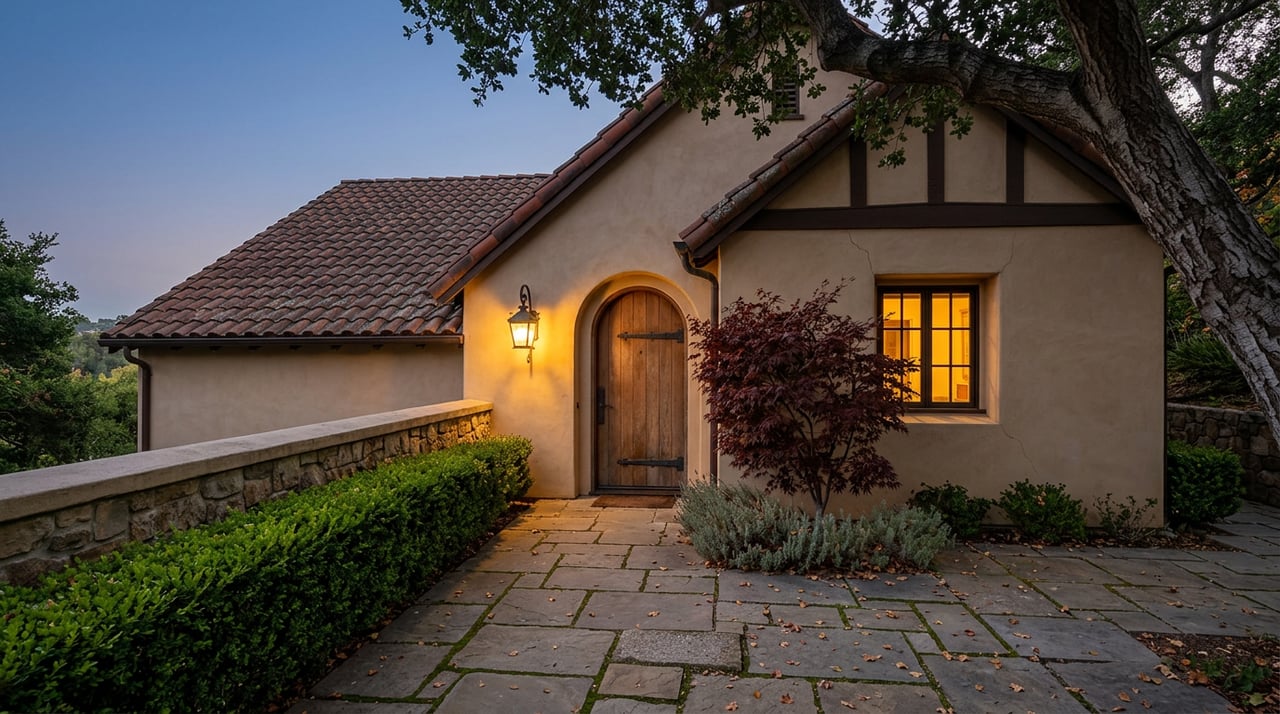
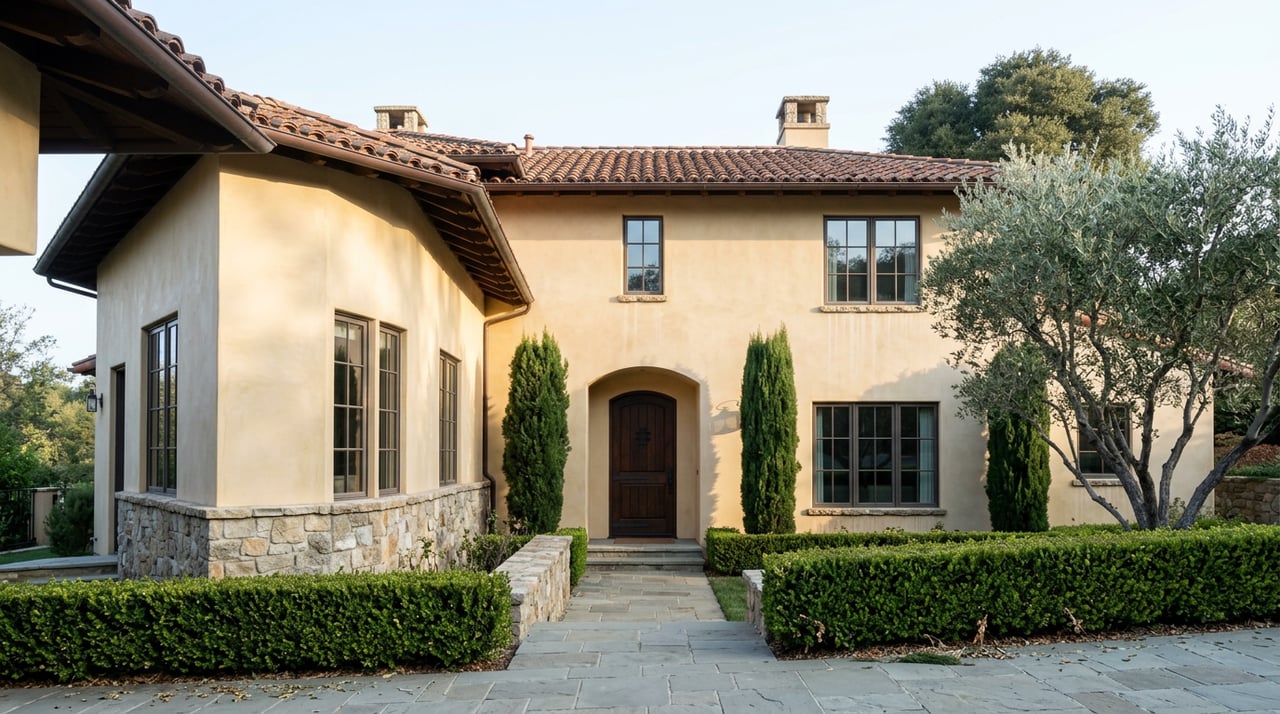
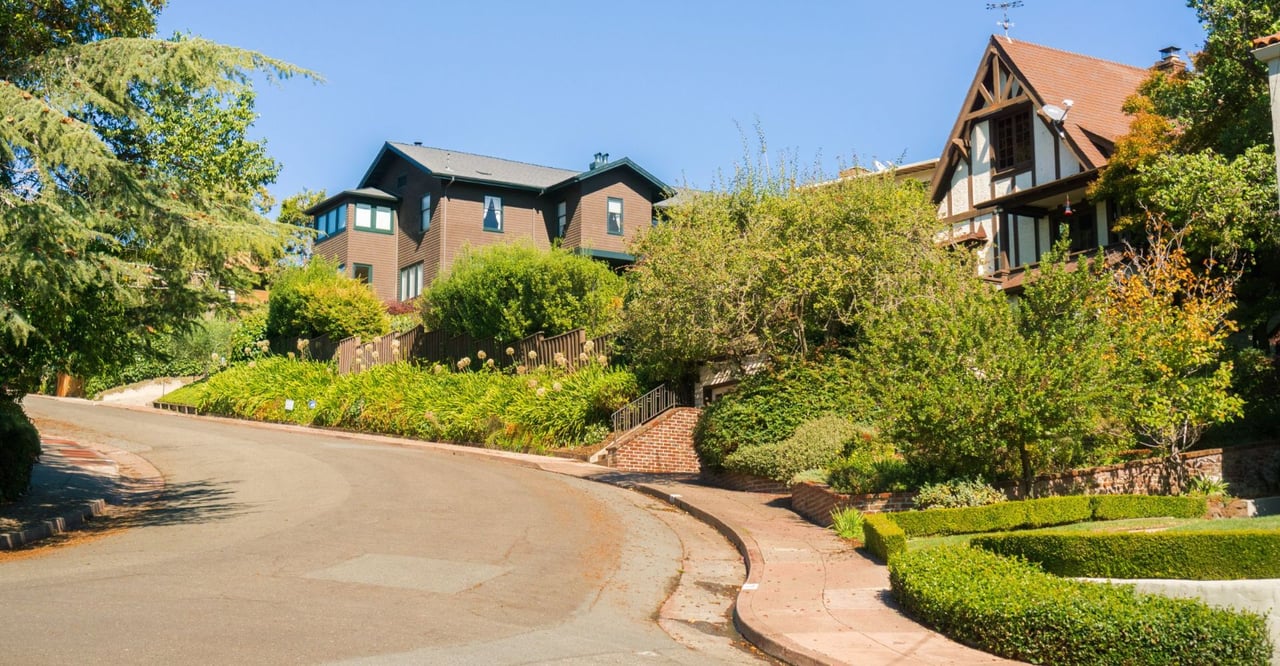
Kensington sits on the edge of the Berkeley and Oakland hills in Contra Costa County, just minutes to regional roads and Bay crossings. You get quiet residential streets, hilltop scenery, and quick access to East Bay amenities and San Francisco commutes. Homes range from historic cottages to mid-century custom builds and updated view properties designed for indoor-outdoor living. Many lots are sloped, so terraces, retaining walls, narrow driveways, and multi-level layouts are common.
Kensington is unincorporated, so building and zoning are handled by Contra Costa County. That can shape permit history, inspections, and timing for improvements. When you shop here, it helps to work with an agent who understands hillside construction, county processes, and local service providers.
Hillside due diligence basics
Buying on a slope is different. Here are the key areas to evaluate before and during escrow.
Slope and structure
- Look for signs of past slope work, including retaining walls, tiebacks, and engineered terraces.
- Ask for any geotechnical or structural reports. If major slopes or older additions are present, plan for a geotechnical and structural review.
- Check foundation type and evidence of seismic retrofits. Older hillside homes may need upgrades.
Drainage and stormwater
- Walk the site for pooling water, gutter overflow, or erosion channels.
- Verify roof runoff routes and downspout extensions away from foundations and slopes.
- Inspect decks, stairs, and pathways for settlement or rot.
Access and services
- Confirm whether roads or driveways are private and if a road maintenance agreement exists.
- Verify utility providers and any easements for access, drainage, or service lines.
- Consider moving logistics. Narrow streets and limited parking can affect schedules and costs.
Environmental and hazards
- Understand wildfire exposure and vegetation management requirements for hillside parcels.
- Review flood and landslide susceptibility to inform insurance and safety planning.
- Plan for brush clearance and defensible space upkeep where required.
Permits, title, and insurance
- Request county permit history for additions, decks, retaining walls, and ADUs. Unpermitted work is common in older hillside areas.
- Confirm access, utility, and drainage easements. Note any slope encroachments or neighbor improvements.
- Get homeowner and wildfire insurance quotes early. Availability and premiums can shape your budget and timing.
Specialists to engage
- General home inspector with hillside experience.
- Geotechnical engineer for significant slopes or retaining systems.
- Structural engineer for foundations, decks, and cantilevered elements.
- Roof/deck inspector, plus pest inspection and drainage review.
- Surveyor if boundaries, setbacks, or improvements are in question.
Off-market options in Kensington
In small, high-demand communities, some sellers prefer privacy or limited exposure. Off-market can include private offerings, coming soon shares, or broker-to-broker introductions. For buyers, the benefits may include reduced competition, a cleaner negotiation path, and quicker access to unique homes.
There are safeguards to keep in mind. Comparable data may be limited, so valuation is critical. Agency relationships should be clear and in writing. Your agent should set expectations on compensation, confidentiality, and disclosures. Off-market access is never guaranteed, but a strong local network can surface opportunities that never hit the open market.
How Talley Scott adds value
Working directly with a principal is a real advantage in a tight market. With Talley, you get rapid communication, design-savvy touring, and a local network of inspectors, engineers, and contractors. You can move faster, evaluate feasibility sooner, and write offers that perform without taking on unnecessary risk.
- Immediate, design-forward feedback on circulation, natural light, and layout potential.
- Quick, practical cost ranges for common updates and structural items.
- Vetted referrals to hillside-savvy specialists for focused follow-up.
- Strategic access to private offerings through a trusted local broker network.
Prepare for your first tour
Come decision-ready so you can act when the right home appears.
Before you go
- Have a current pre-approval or proof of funds.
- Request disclosures, permit history, any inspections, and road or easement documents.
- Bring a measuring app, camera, and a simple budget template for potential updates.
On-site checklist
- Slope and retaining walls: visible cracks, leaning, or patchwork repairs.
- Drainage: downspout routing, site grading, and signs of erosion.
- Foundation: visible cracks, sloping floors, or sticking doors.
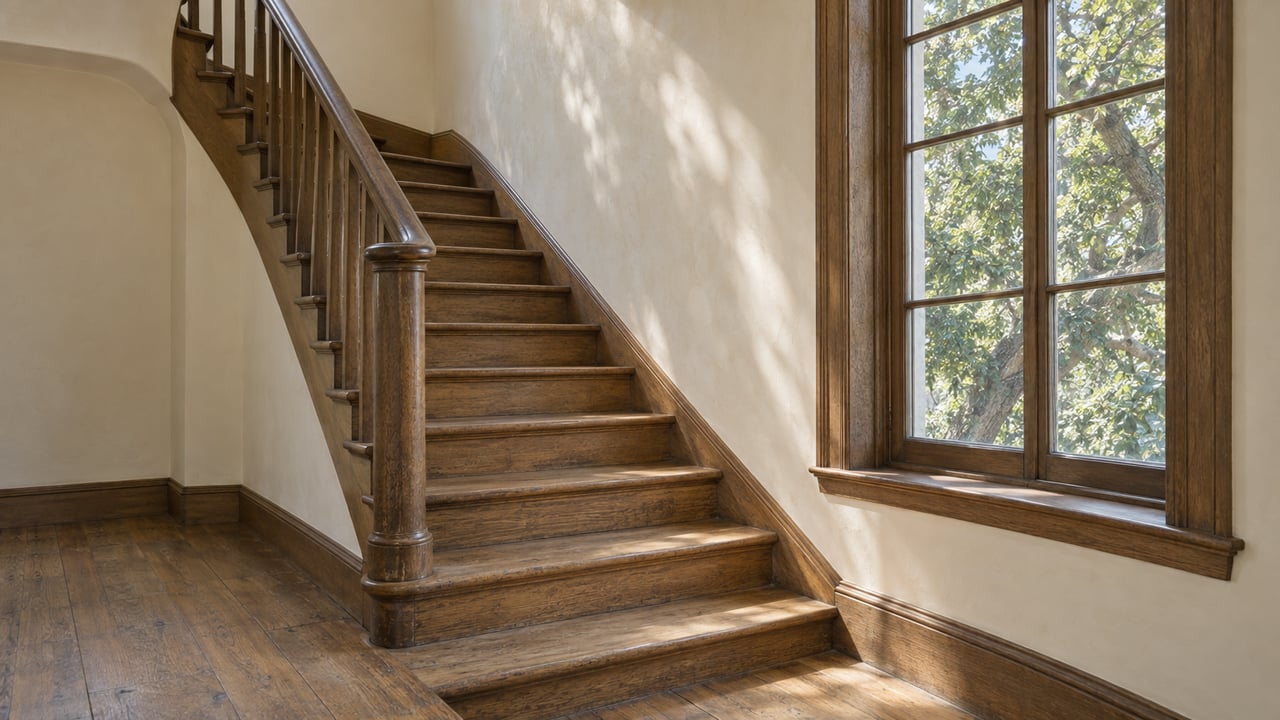
- Decks and stairs: railings, post bases, flashing, and wood condition.
- Access and parking: driveway steepness, turnarounds, and guest parking.
- Privacy and views: sightlines, solar exposure, and recurring noise sources.
Offer strategy that fits the hills
A strong offer balances speed, certainty, and protection.
Strengthen credibility
- Include a full pre-approval and highlight your lender contact.
- Be ready with earnest money and a clear deposit schedule.
- Use an appraisal-gap clause only if appropriate to your budget and risk tolerance.
Smart contingencies and timelines
- Keep an initial inspection window tight, typically 7 to 10 days, with the ability to extend for specialists.
- Sequence inspections: general first, then geotechnical or structural if flagged.
- Consider your loan contingency strategy. All-cash and waived contingencies can be competitive but increase risk.
Negotiate beyond price
- Offer flexible closing, a rent-back, or assumption of disclosed cosmetic items.
- Tie incremental deposit increases to inspection milestones.
- If the seller values speed or privacy, structure terms to match while protecting key risk areas.
Post-offer follow-through
- Coordinate with your appraiser so views, privacy, and layout are weighed correctly.
- Fast-track any specialist inspections to avoid last-minute issues.
- Confirm insurance availability and premiums before contingencies expire.
What we do for focused Kensington buyers
- Same-day or next-day touring for decision-ready clients.
- Design-savvy evaluation on the first visit, including quick feasibility reads.
- Targeted off-market alerting through our broker network.
- Vetted hillside inspectors, engineers, and contractors ready to engage.
- Custom offer templates tailored to hillside conditions and county processes.
- Clear timelines, checklists, and communication from principals start to finish.
Ready to buy in Kensington?
If you’re planning to purchase in the Kensington hills, we can help you tour smarter, surface options early, and write confident offers. Bring your pre-approval and timing, and we’ll prioritize first tours and focused off-market outreach where available. Connect with the principals you’ll actually work with at Scott & Scott Real Estate Associates.
FAQs
Do Kensington hillside homes need a geotechnical report?
- Not every home requires one, but for steep lots, visible slope work, or major improvements, engaging a geotechnical engineer early is strongly recommended and often necessary for permits.
How fast can you schedule a first tour in Kensington?
- For decision-ready buyers with pre-approval, we aim for same-day or next-day tours, depending on seller access and property availability.
What documents should I review before making an offer?
- Ask for disclosures, county permit history, any inspection reports, road or easement agreements, and recent work details for retaining walls, decks, or foundations.
How do I improve my offer without overpaying in a multi-offer scenario?
- Strengthen non-price terms like timing, earnest money, and inspection sequencing, and use appraisal-gap language selectively while getting quick specialist bids to reduce unknowns.
Are off-market Kensington homes common?
- Frequency varies with season and seller goals; in small, high-demand communities, private offerings do occur, so a well-connected agent can improve your chances of hearing about them early.