Thinking about selling in Piedmont and wondering what truly moves the needle? In a tight, multi-million dollar market, small, strategic choices can create big results. You want a clear plan that respects your time, budget, and the character of your home. In this guide, you’ll get a concise market snapshot, high-ROI prep ideas, a smart staging and marketing plan, and a California-specific disclosure checklist so you can sell with confidence. Let’s dive in.
Piedmont market snapshot
As of late 2025 into January 2026, public portals show premium pricing with limited inventory. Zillow’s home value index for Piedmont is about $2.24M (through Jan 31, 2026). Realtor.com reports a median list price around $3.495M and roughly 50 days on market in late 2025. Other trackers note median sale prices in the $2.4–2.6M range with relatively few transactions. Together, these signals point to a small, high-value market where presentation and precise pricing matter.
Use these ranges to frame expectations, then confirm timing and price with fresh MLS comps. A local analysis will pin down a pricing strategy for your street, architecture, and condition.
Know your likely buyer
Piedmont attracts informed, design-aware buyers who value quality and function.
- School-focused decision makers. Piedmont Unified School District publishes high results on state assessments, and the district is supported in part by a parcel tax. Many buyers consider district performance when comparing homes.
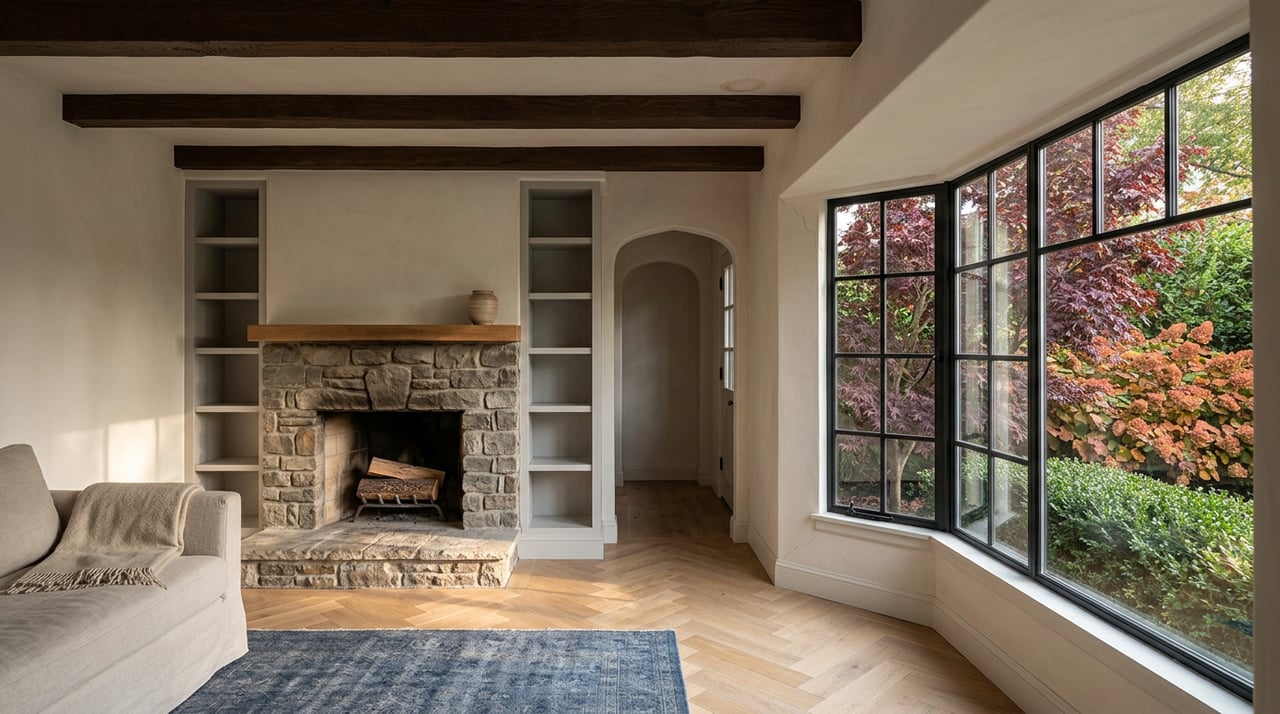
- Finish and design sensitive. Updated kitchens and baths, hardwood floors, strong natural light, outdoor living, and well-kept architectural details tend to draw attention at this price point.
- Flexible spaces. A quiet office, a learning or play area, or a guest suite can help buyers visualize daily life. Staging should make these options clear.
High-ROI prep that pays
You do not need a full remodel to sell well. Focus on updates with proven resale impact based on national and regional Cost vs. Value findings.
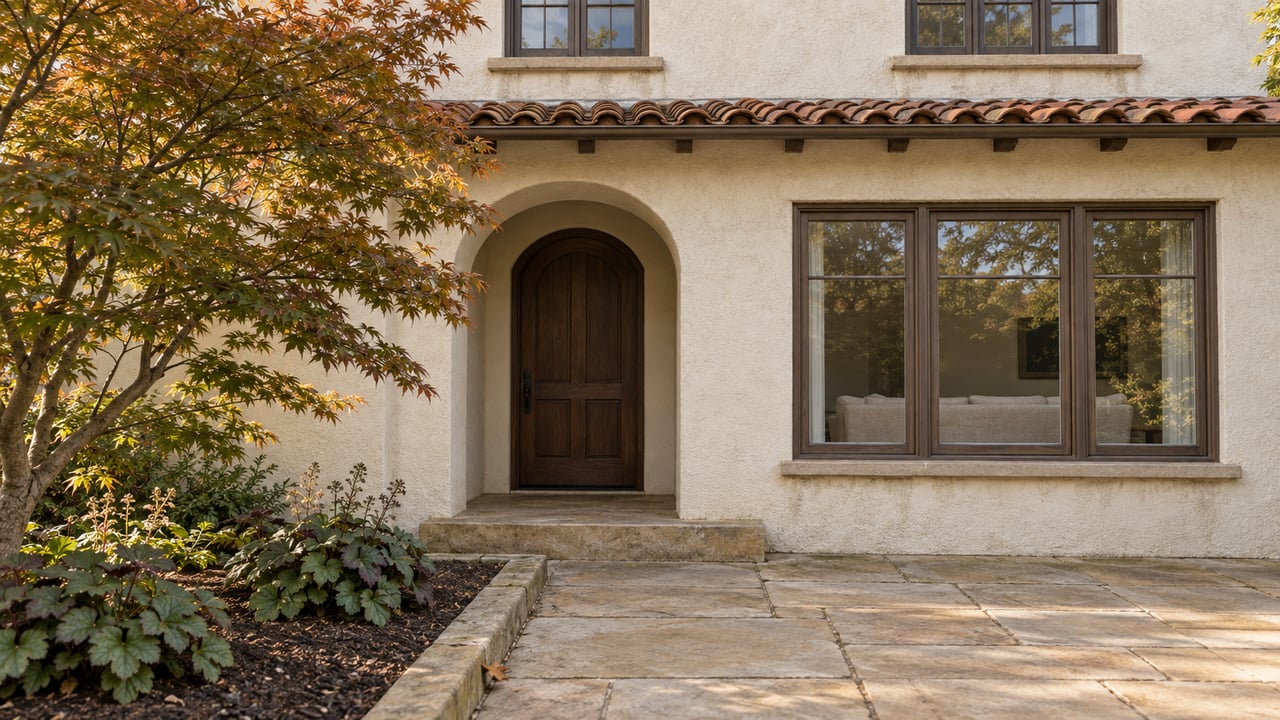
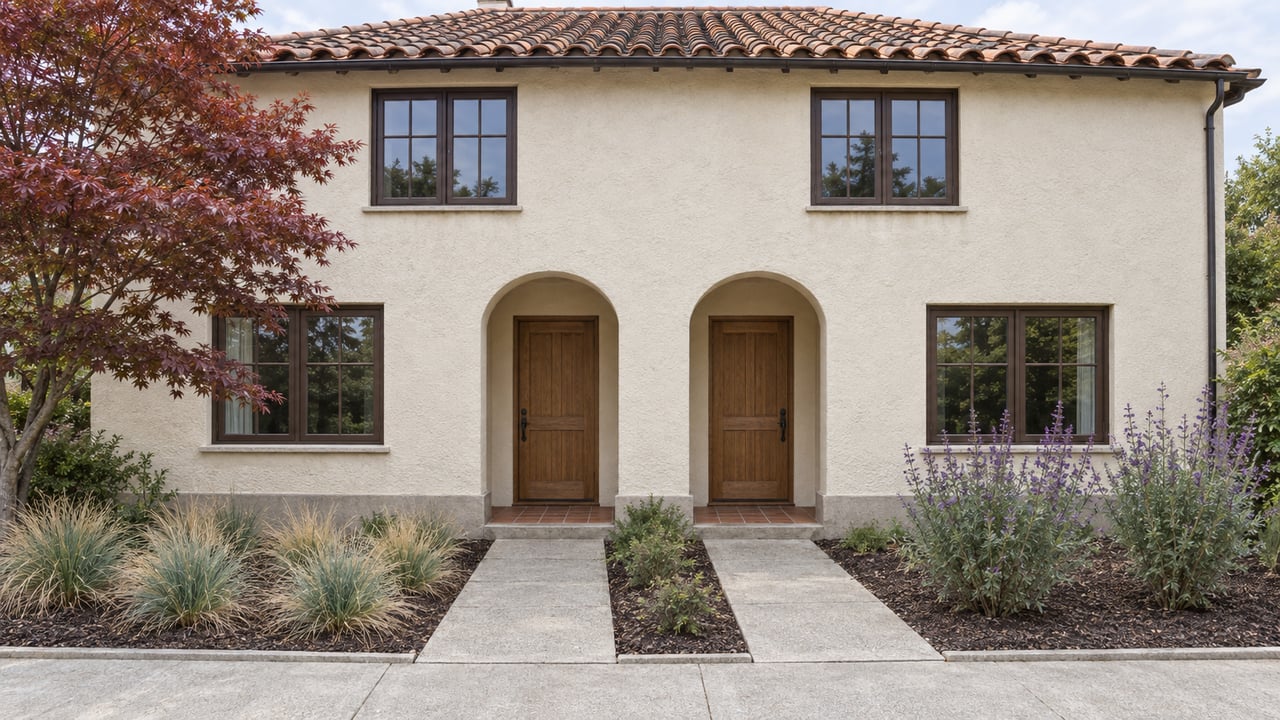
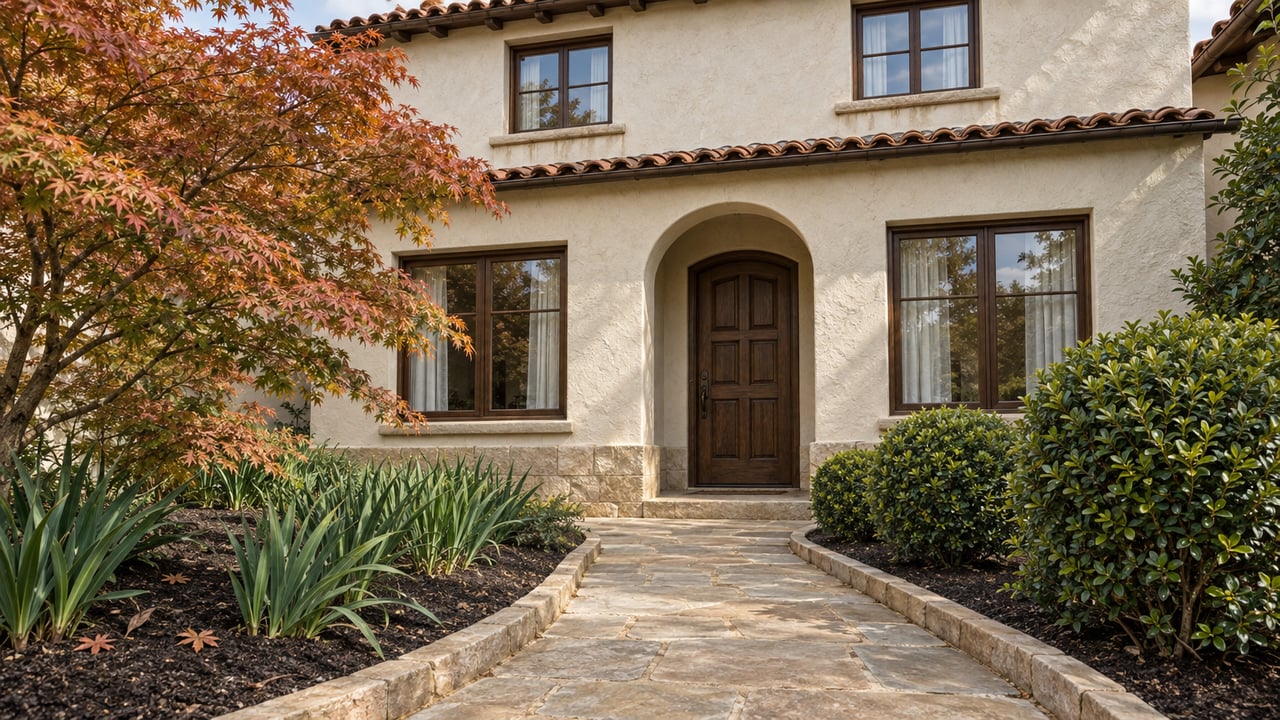
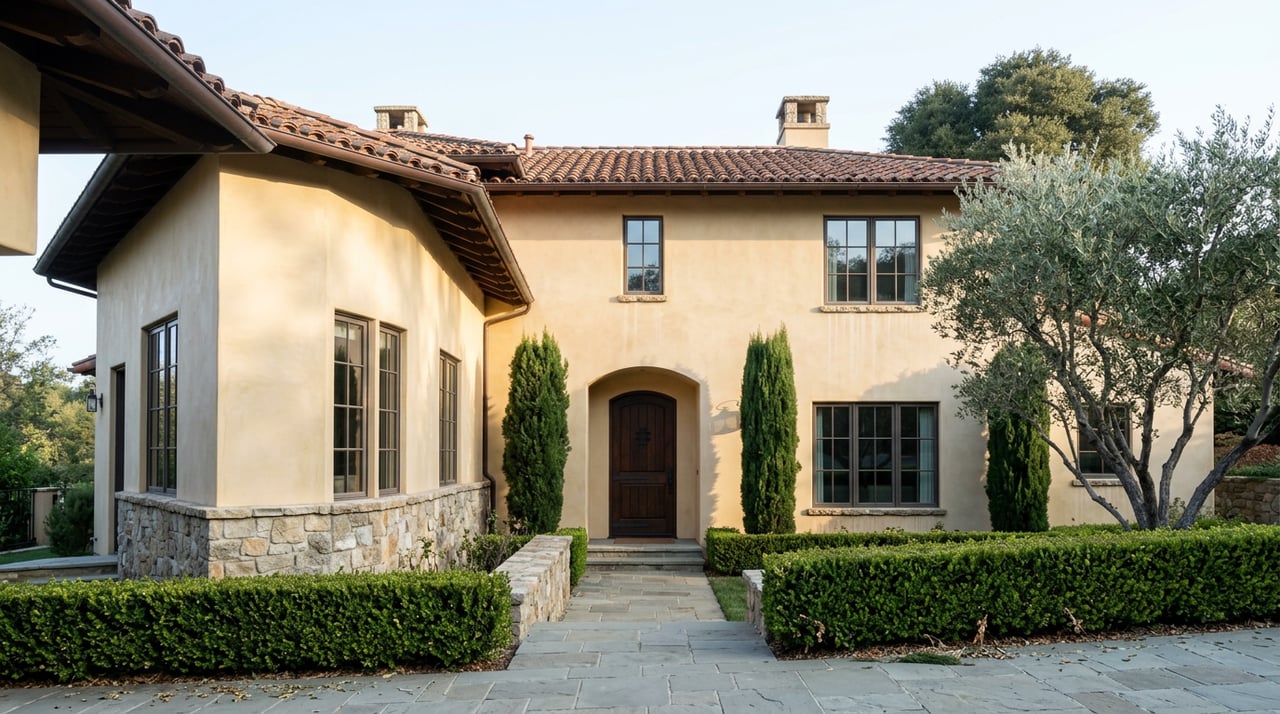
- Garage and entry doors. These curb-appeal projects often recoup a high share of cost and create a strong first impression.
- Minor kitchen refresh. Think paint, hardware, lighting, countertops, and appliances where needed. Cosmetic updates usually outperform major gut renovations on short-term ROI.
- Exterior cladding and paint. Fiber-cement siding, targeted repairs, and a whole-house paint can signal low deferred maintenance, especially for older homes.
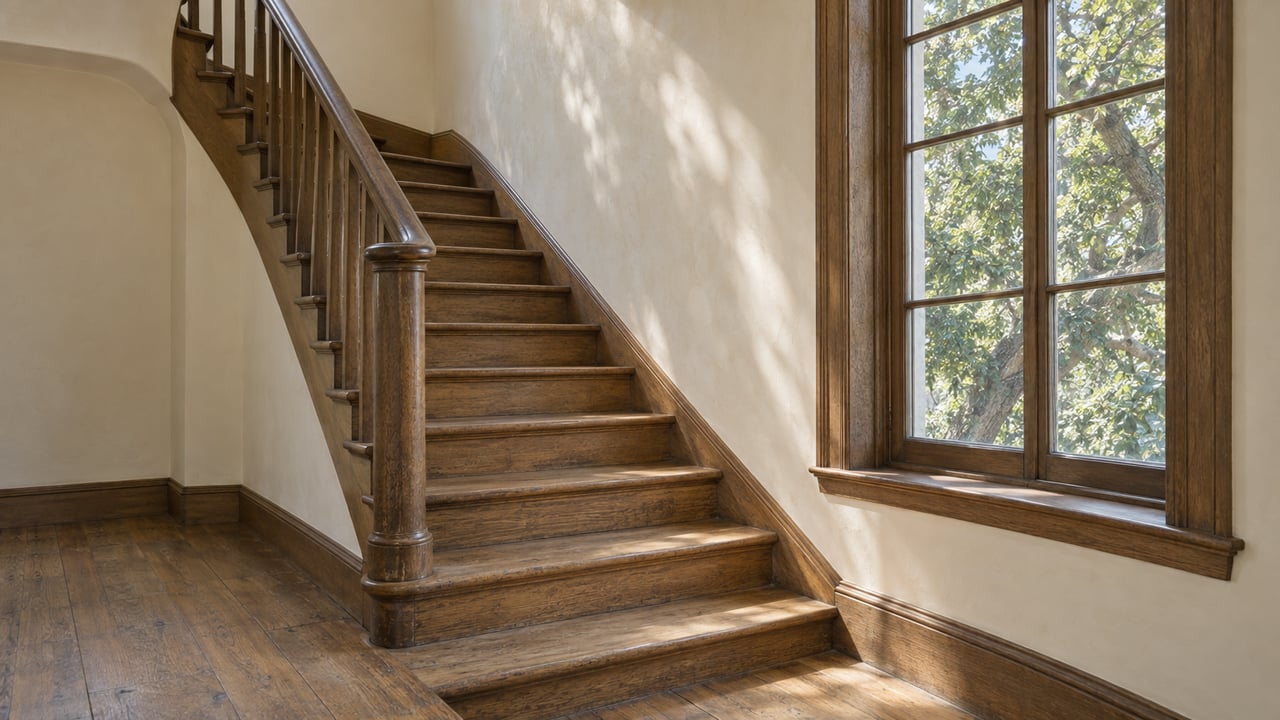
- Floors, paint, and lighting. Refinish hardwoods, choose a calm interior palette, and update fixtures for warmth and clarity in photos.
- Systems and safety. A clean roof, permitted electrical and plumbing, working HVAC and water heater, smoke and carbon monoxide detectors, secure handrails, and a braced water heater reduce buyer objections and help keep escrow smooth.
Use caution on big projects
Large additions, highly bespoke amenities, and certain expansions can be hard to recoup quickly. ADUs and primary suite additions may add utility, but they often recover a smaller percentage of cost at resale compared with targeted cosmetic work. Weigh any major spend against neighborhood comps and appraisal norms before you start.
Funding improvements
If you want to make strategic updates but prefer not to pay upfront, ask about Compass Concierge. The program can front costs for services like painting, flooring, landscaping, staging, and more, with repayment at closing or after a defined term. Eligibility and terms vary, so review details, costs, and disclosures in writing with your agent.
Staging and marketing that move buyers
Stage key rooms
Most buyers first connect with a home online, then confirm their interest during showings. Staging helps them visualize how rooms live. Prioritize the living room, kitchen, primary suite, and at least one office or flex space. Keep styling refined and neutral so the home’s architecture leads.
Invest in visuals
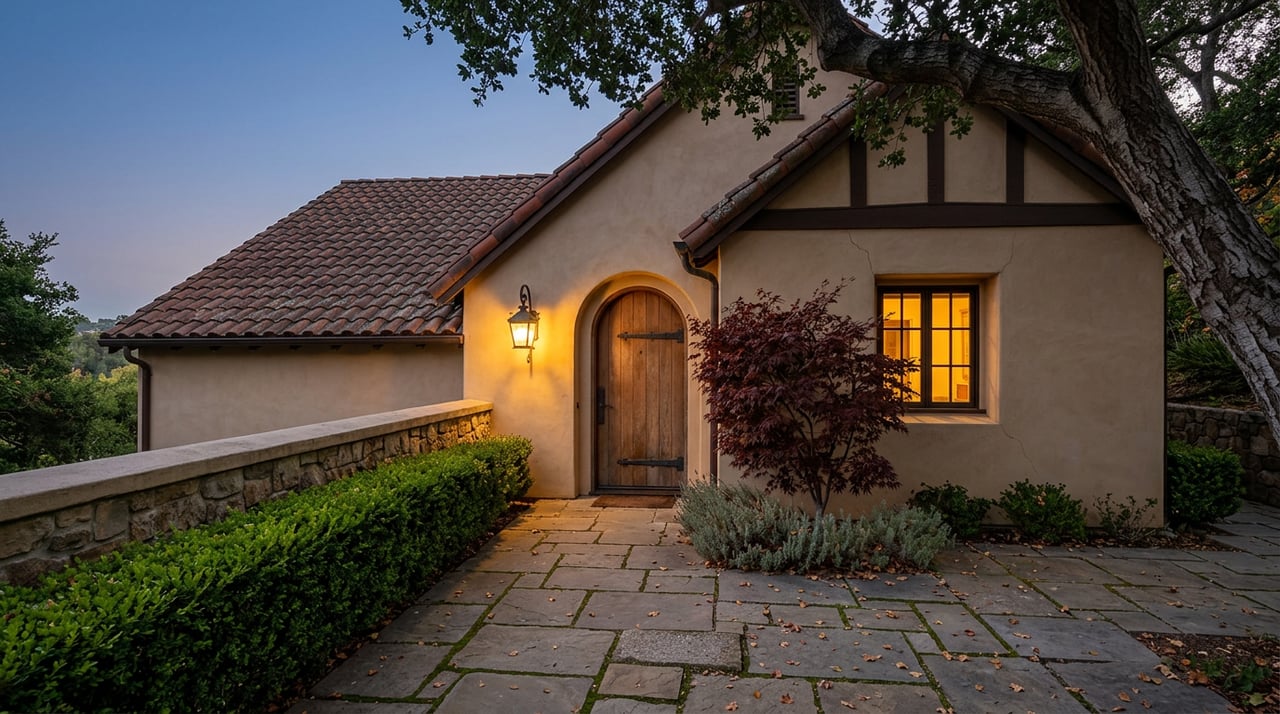
High-end photography, detailed floor plans, and 3D or virtual tours increase engagement. Consider twilight and drone shots if views, gardens, or architectural lines deserve a hero moment. Accurate floor plans reduce questions and improve confidence.
Consider a phased launch
In a low-inventory, high-value market, a thoughtful rollout can help. Private exclusive or coming-soon exposure can build early interest while final prep wraps, then you go live on the MLS when the home is photo ready. Discuss timing and privacy preferences with your agent.
Inspections and disclosures in California
Selling in California means specific forms and timelines. Preparing early keeps your deal clean.
- Transfer Disclosure Statement. Most sellers of 1–4 unit residential property must complete a TDS under California Civil Code 1102. Be thorough and honest about known conditions.
- Natural Hazard Disclosure. Civil Code 1103 requires that sellers disclose if a property lies in mapped hazard zones, such as very high fire hazard severity areas, flood zones, or seismic hazard zones. Third-party NHD providers are commonly used.
- Lead-based paint. For homes built before 1978, provide the federal EPA/HUD lead pamphlet, disclose known information about lead-based paint, and allow time for lead evaluation if requested.
- Wood-destroying organisms. Lenders commonly expect a termite or WDO inspection and, if needed, treatment or repairs from a licensed provider. Ordering this early can prevent surprises.
- Permits and unpermitted work. Disclose known unpermitted work and gather your permit history. Collect invoices and final signoffs for past repairs or upgrades.
- Local items to verify. Check City of Piedmont rules for things like tree work, historic features, sewer lateral requirements, and any city-level transfer or special tax. Confirm details with the city or your escrow and title team.
- Pre-listing inspections. A seller-paid home inspection, along with targeted specialty reports such as roof, chimney, sewer lateral, or pest, can surface issues before buyers do. You can then repair, credit, or price accordingly. This step is optional but often reduces delays.
Timeline to market
Every home is different, but this framework fits many Piedmont listings.
- Days 0–7: Choose your agent, review MLS comps, define the target buyer, and consider early NHD and WDO orders. Schedule a pre-listing inspection if you plan to do one.
- Weeks 1–4: Complete fast, high-ROI work. Declutter, deep clean, paint, refinish floors where needed, handle small carpentry, and finalize the staging plan. If using Concierge, align on scope and contractors.
- Weeks 3–8+: If desired, complete cosmetic updates like a minor kitchen or bath refresh or exterior repairs and paint. Build in time for permits and scheduling.
- Launch: Consider a private exclusive or coming-soon period, then list on the MLS once photography and floor plans are complete.
Seller checklist
- Review fresh local comps and set a strategic price range with your agent. Do not rely solely on portal medians.
- Order NHD and consider a licensed WDO report early to reduce lender friction.
- Prioritize repairs that affect safety, financing, and obvious deferred maintenance. Decide what to fix versus credit.
- Invest in visible, high-ROI upgrades such as entry and garage doors, whole-house paint, hardwood refinishing, a minor kitchen refresh, and curated landscaping.
- Stage the living room, kitchen, primary suite, and a dedicated office or flex room.
- Prepare disclosures: TDS, NHD, lead-based paint forms if applicable, and the seller property questionnaire. Gather permits, receipts, and warranties.
- Confirm closing costs and timelines with your escrow and title team, and disclose any special taxes, assessments, or HOA rules.
- Use professional photography, floor plans, and clear copy that highlights neighborhood context that buyers value, including district information from publicly available sources.
Pricing and positioning tips
- Lead with condition and clarity. Clear disclosures and tidy inspections support stronger pricing and fewer concessions.
- Use design to your advantage. A light, clean palette, refined fixtures, and well-staged rooms help your photos rise to the top of buyer searches.
- Watch the data weekly. Inventory and absorption can shift quickly. Revisit pricing targets with your agent if showing feedback or traffic trends suggest an adjustment.
Ready to map out a tailored plan for your home, budget, and timing? Reach out to the local team that blends boutique, hands-on guidance with Compass-level marketing. Connect with Scott & Scott Real Estate Associates to get started.
FAQs
What are current Piedmont price ranges in 2025–2026?
- Public portals show median values roughly between $2.2M and $3.5M, with limited inventory and small sales counts that make precise local comps essential.
Which pre-listing upgrades deliver the best ROI in the East Bay?
- Cost vs. Value findings favor curb-appeal and cosmetic work like garage and entry doors, minor kitchen refreshes, exterior paint, floor refinishing, and lighting updates.
Do I need to stage a high-end Piedmont home to sell?
- Staging key rooms helps buyers visualize use and often shortens time on market, especially when paired with strong photography and floor plans.
What inspections and disclosures are required for California sellers?
- Expect a Transfer Disclosure Statement, a Natural Hazard Disclosure, lead-based paint documents for pre-1978 homes, and commonly a termite or WDO inspection.
Should I order a pre-listing inspection in Piedmont?
- A pre-listing inspection can reveal issues early, letting you repair, credit, or price accordingly, which often reduces escrow delays and renegotiation risk.
How does Compass Concierge help with prep costs?
- Concierge can front approved prep expenses with repayment at closing, subject to eligibility and written terms you review with your agent.