Claremont vs Elmwood in Berkeley: Buyer’s Neighborhood Guide
January 15, 2026
January 15, 2026
Choosing between Claremont and Elmwood can feel like picking between two great versions of Berkeley living. You might love the idea of hillside views and privacy, but you also want quick coffee runs, easy errands, and a simple commute. This guide breaks down what it actually feels like to live in each area, from streetscapes and housing styles to transit and daily logistics. By the end, you’ll have a clear framework to decide which neighborhood fits your lifestyle. Let’s dive in.
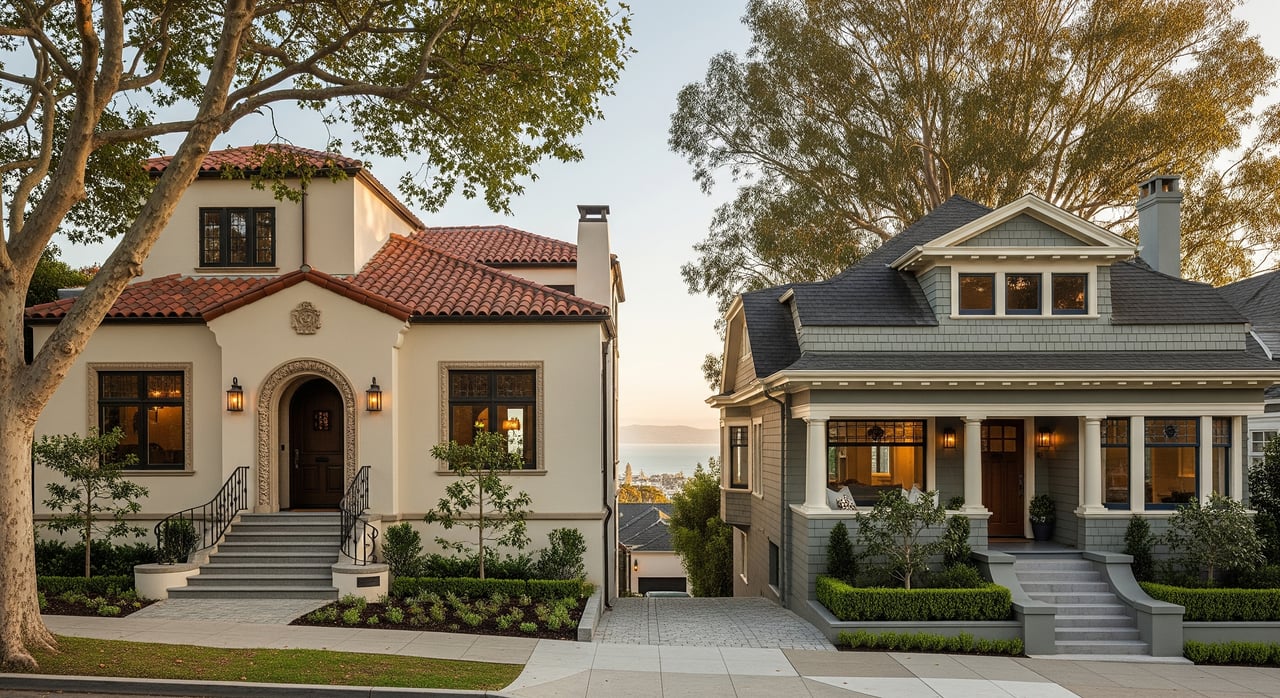
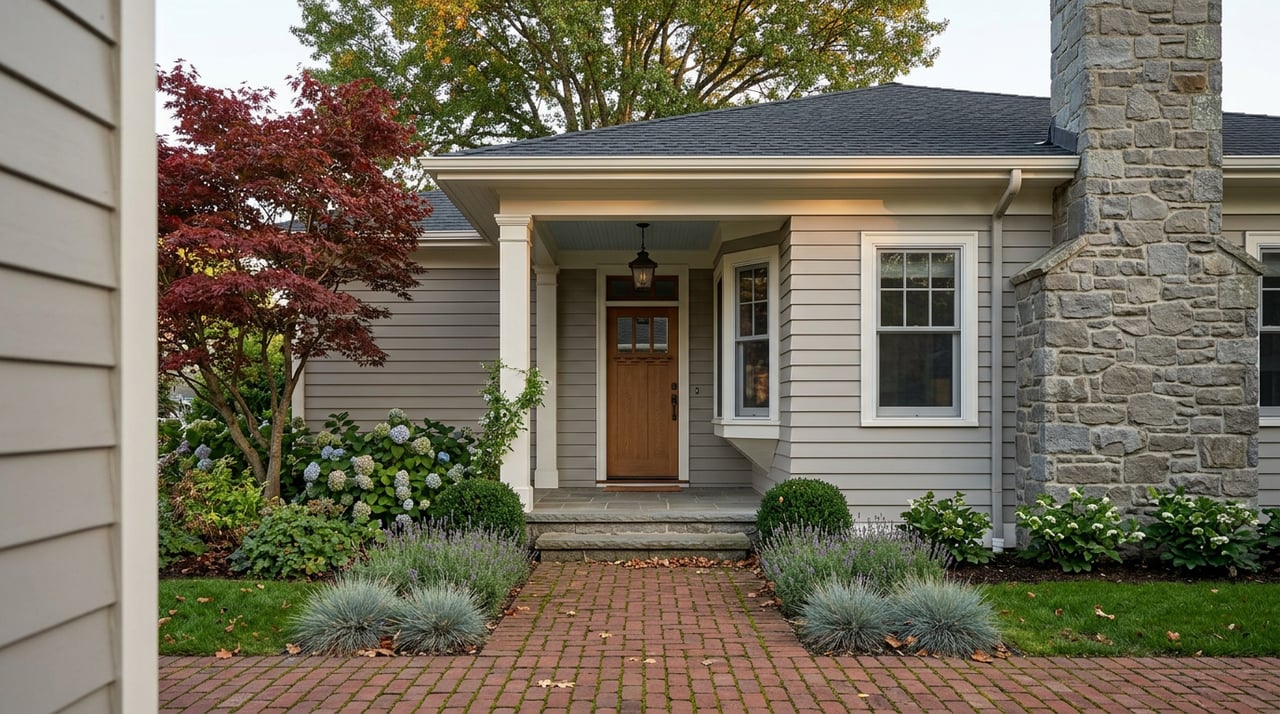
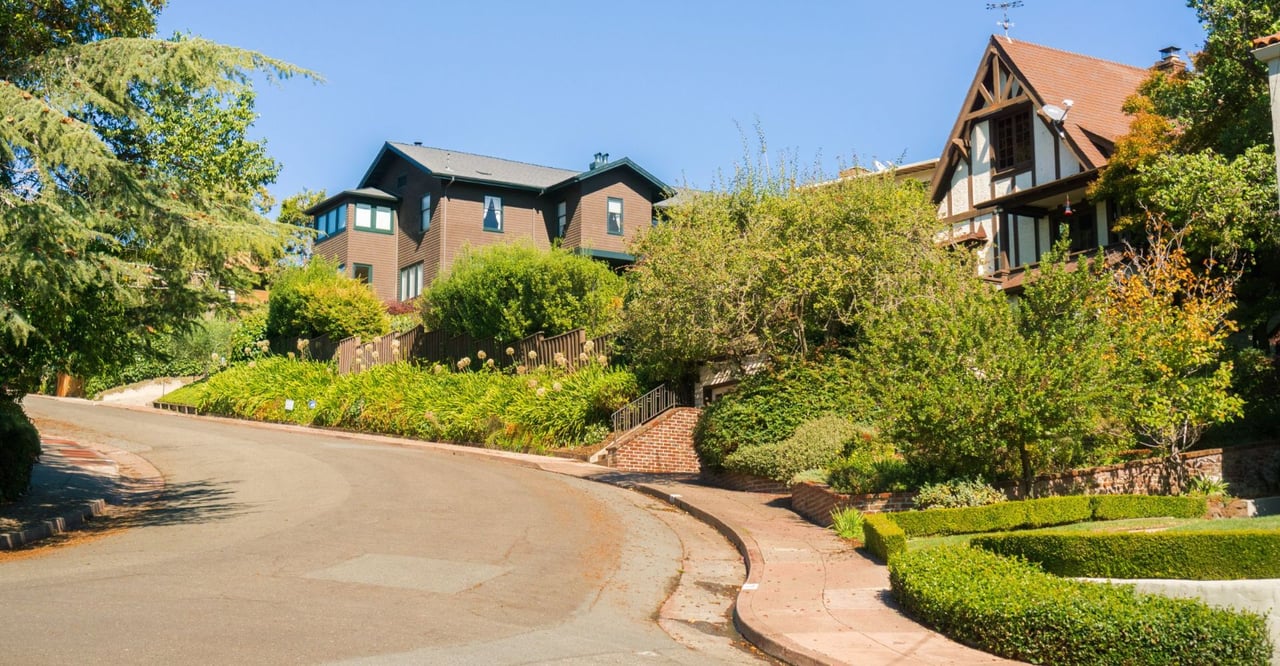
Claremont sits in southeastern Berkeley, stepping up into Claremont Canyon and the hills. Streets wind and rise, and many properties capture Bay, city, or hill views. The feel is more suburban and parklike compared to central Berkeley, with larger lots and homes set back from the street. You’ll find village-scale pockets of retail nearby, but most daily errands involve a short drive or a walk down to College Avenue or Rockridge.
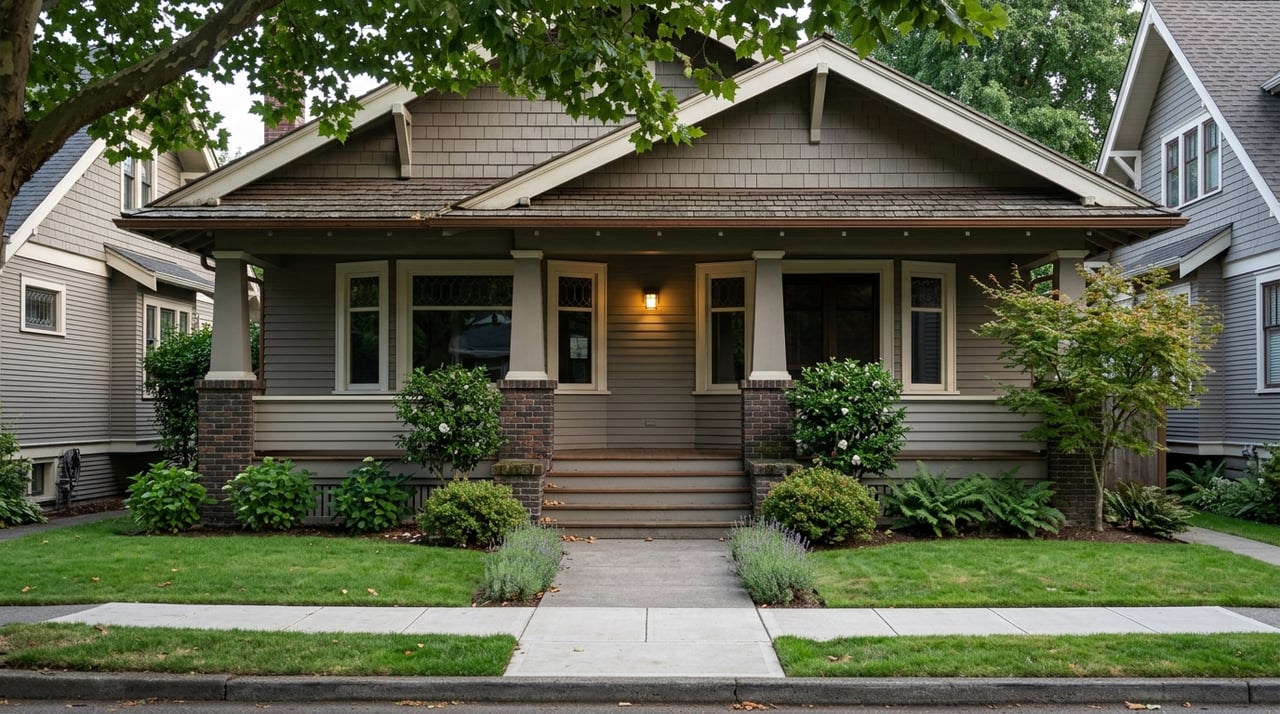
Elmwood is south-central Berkeley centered on the College Avenue corridor. The terrain is generally flatter, with tree-lined blocks and gentle grades. The urban fabric is classic Berkeley: porches, sidewalks, Craftsman-era homes, and small apartment or duplex buildings. Street life is vibrant around College Avenue, with strong walkability to cafes, restaurants, and services.
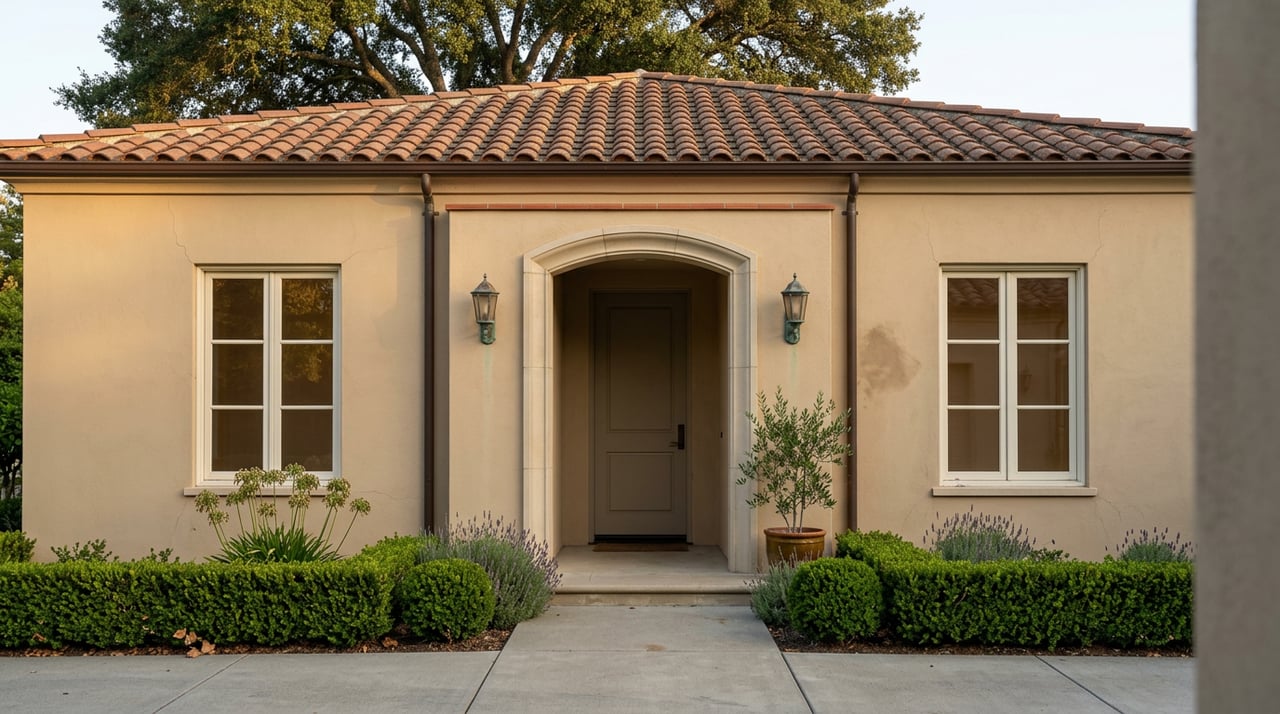
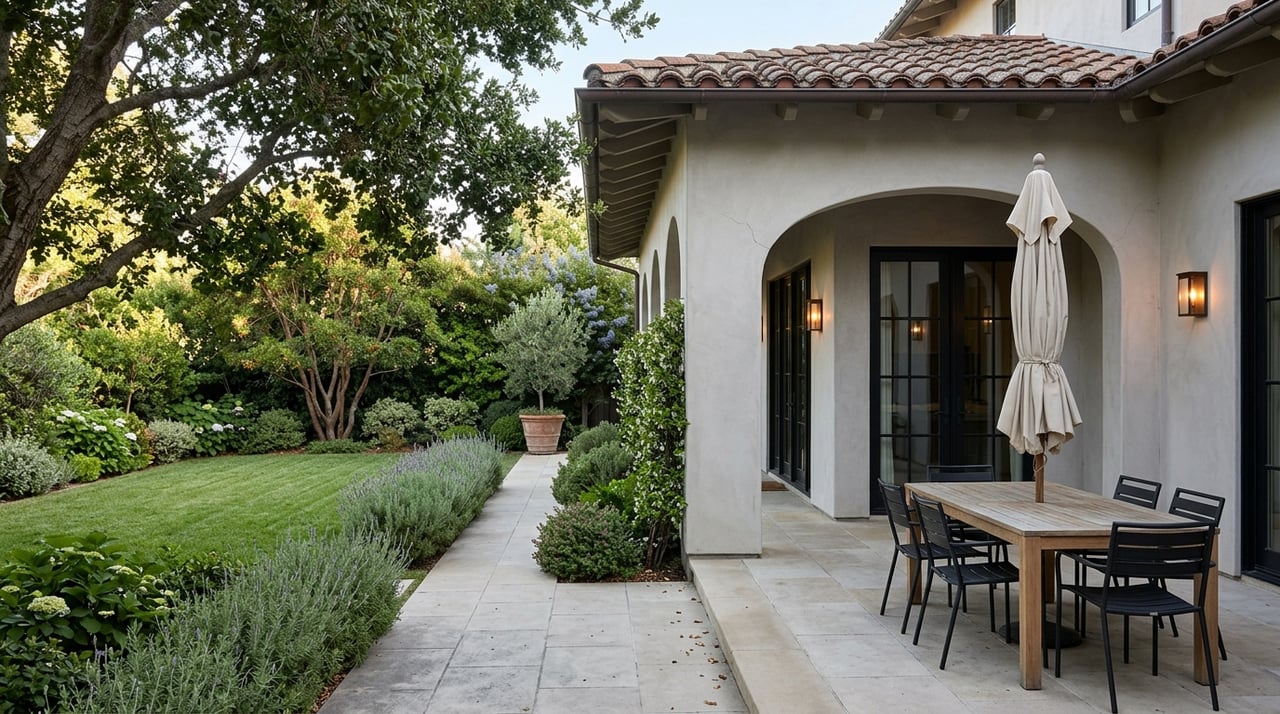
Most homes are single-family with larger footprints and deeper, often terraced lots. Expect 1920s to 1950s Tudors, Mediterranean/Spanish styles, and mid-century homes with later remodels. Many homes are multi-level to match the hillside topography. Driveways and garages can sit at different elevations than main living areas, which can shape daily routines.
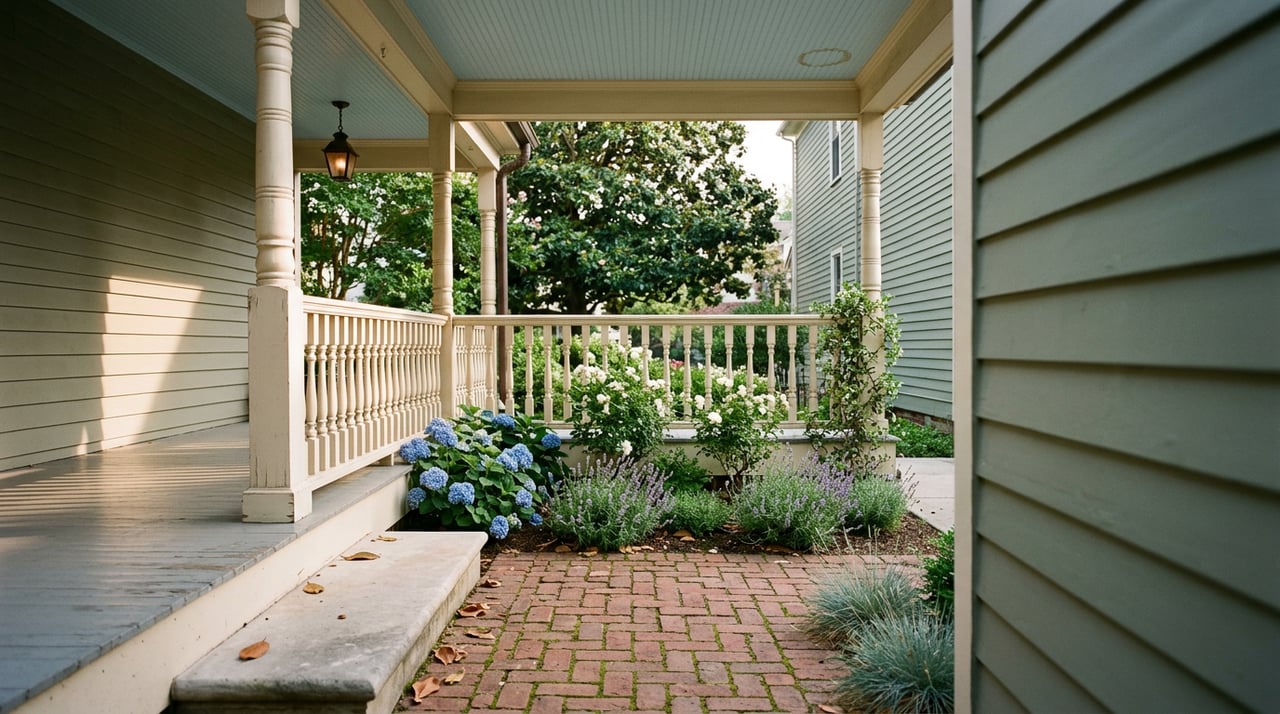
Elmwood concentrates early 20th-century bungalows, Craftsman homes, modest two-story flats, and small apartment buildings. Lots tend to be smaller with narrower side yards and welcoming front porches. The consistent sidewalk network and mature trees support a social, walkable street experience.
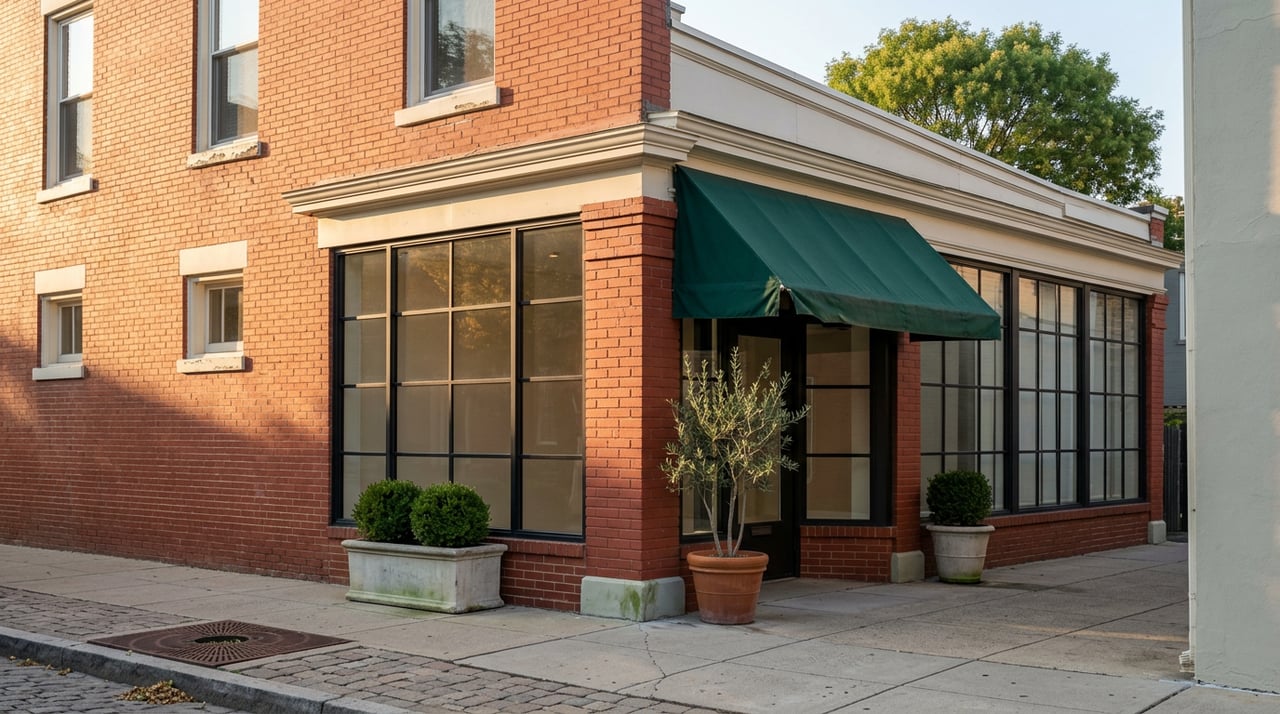
If you want to walk to groceries, bakeries, and cafes, Elmwood makes it easy along College Avenue. Many errands can be done on foot or by bike. In Claremont, day-to-day services are nearby but usually require a short drive or a walk down steeper streets to College Avenue or Rockridge. Evening strolls to restaurants are less common inside the hillside blocks.
Claremont borders regional open space and trailheads, making hiking and quick access to nature a standout feature. Elmwood is close to city parks, playgrounds, and campus greenspace, with larger regional parks a short drive away.
Both neighborhoods are within Berkeley Unified School District boundaries, and assignment depends on your address. Always verify with the district when planning. Elmwood’s proximity to amenities can simplify school-day logistics, while Claremont families often plan for longer walks, steeper routes, or short car rides.
Neither neighborhood sits directly on a BART station, but both offer solid access depending on the address. Elmwood benefits from frequent bus routes along College Avenue that connect to nearby BART and campus areas. Claremont residents often use Rockridge or MacArthur BART via a short drive or feeder bus. In both areas, measure your specific walk or drive time to the station rather than relying on a general neighborhood average.
Claremont offers convenient access to the CA-24 corridor from certain sections, which helps if you commute through the Caldecott Tunnel. Narrow hillside streets and parking rules can slow local driving and require some planning for guests. Elmwood provides straightforward surface-street access across Berkeley and nearby cities, though parking can be tighter close to College Avenue’s commercial blocks.
Elmwood’s flatter terrain and commercial corridor crossings make biking and short commutes more practical for daily use. In Claremont, grades and stair-stepped routes can make biking or long walks more of a workout, though the scenery and views are rewarding.
Larger lots and zoning may allow significant remodels or additions. Hillside work can raise complexity and cost due to grading, drainage, retaining walls, and seismic or soil considerations. If you are planning an expansion, build in time for permitting and consult professionals who understand hillside construction.
Smaller lots and tighter setbacks can limit large additions, but ADUs and interior renovations are common ways to add space. Standard Berkeley permitting applies, but feasibility and cost hinge on specific lot size and site features. If you want flexibility, plan early and explore design options that optimize interior flow.
Inventory and turnover patterns differ between the two areas. Claremont typically sees lower turnover and fewer active listings, especially for larger single-family homes on view lots. Elmwood often has more frequent turnover among small-to-mid-size single-family homes, condominiums, and small multifamily options.
Pricing tends to reflect the core value of each place. Claremont homes often command a premium per property due to lot size, views, and open-space adjacency. Elmwood buyers sometimes pay a premium per square foot for walkability and the College Avenue lifestyle. For current median prices and days on market, check recent neighborhood-level data in the local MLS or county sales records before you write an offer.
Strategically, it pays to be prepared. In Claremont, where listings are fewer, you should move quickly when the right home appears. Strong pre-approval and clear must-haves help you act with confidence. In Elmwood, where buyers prioritize neighborhood feel, presentation and curb appeal often play a larger role in competition.
When you are ready, we can help you compare on-the-ground details, preview off-market opportunities, and craft a strategy that fits your goals.
Ready to explore homes in Claremont and Elmwood with a clear plan? Reach out to Scott & Scott Real Estate Associates for a tailored neighborhood tour, address-level analysis, and buyer representation that puts your lifestyle first.
Stay up to date on the latest real estate trends.
We understand that transitions are exciting, scary and stressful, but, more importantly, they are a huge step towards your future. Whether buying your first home or letting go of a lifetime of memories, the Scotts understand the process and will guide you through with timely information and sincere kindness.
SCOTT & SCOTT REAL ESTATE ASSOCIATES
ADDRESS
6211 MEDAU PL STE 210
OAKLAND CA 94611
Talley Scott | CA DRE# 01928609
Mindy Scott | CA DRE# 01154961