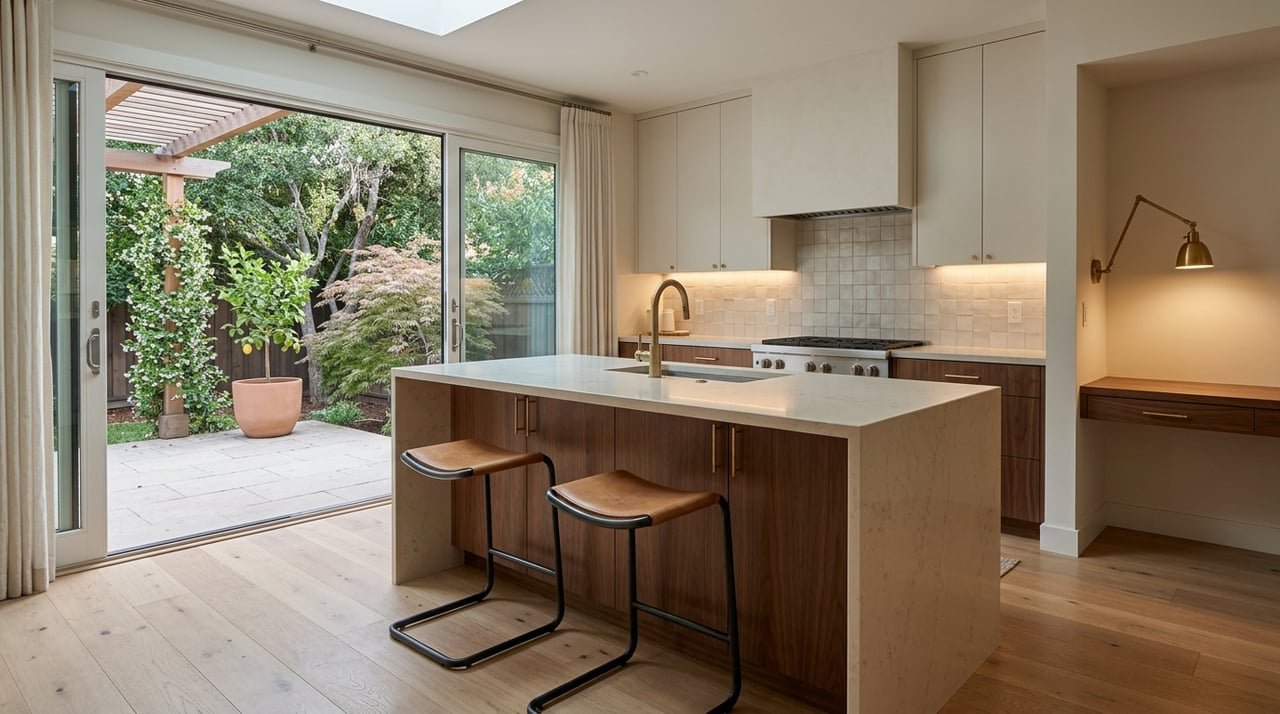
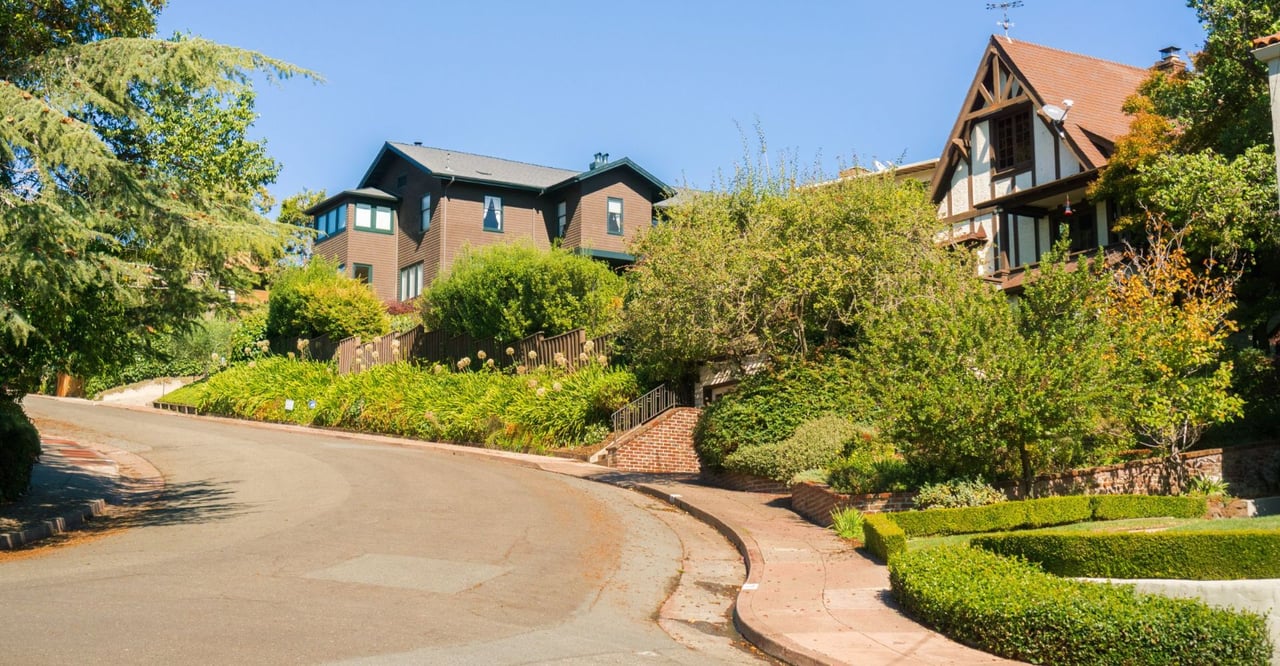
Do you love the warmth of a shingled cottage, the craft of a classic bungalow, or the clean lines of a mid-century home that opens to the hills? In Kensington, you can find all three, often on the same winding street. If you are comparing East Bay neighborhoods, understanding how these styles look, live, and age will help you buy with confidence or prep your home for a standout sale. This guide breaks down the signature features, value drivers, and smart upgrades that fit Kensington’s hillside setting. Let’s dive in.
Why Kensington’s architecture stands out
Kensington sits on west-facing hills above San Pablo Bay, where steep lots, curving streets, and mature landscaping shape how homes were built. Development boomed from the 1920s through the 1950s, so you see early Craftsman and brown-shingle cottages alongside postwar mid-century designs and view-focused houses. The result is a neighborhood that favors craftsmanship, natural materials, and sightlines over uniform setbacks or large yards.
Because Kensington is unincorporated, permits and inspections run through Contra Costa County. Hillside sites and older construction make seismic engineering, drainage, and access planning part of many projects. While the area is not in the most extreme wildfire zones, defensible space and fire-resistant material choices remain relevant.
Craftsman essentials
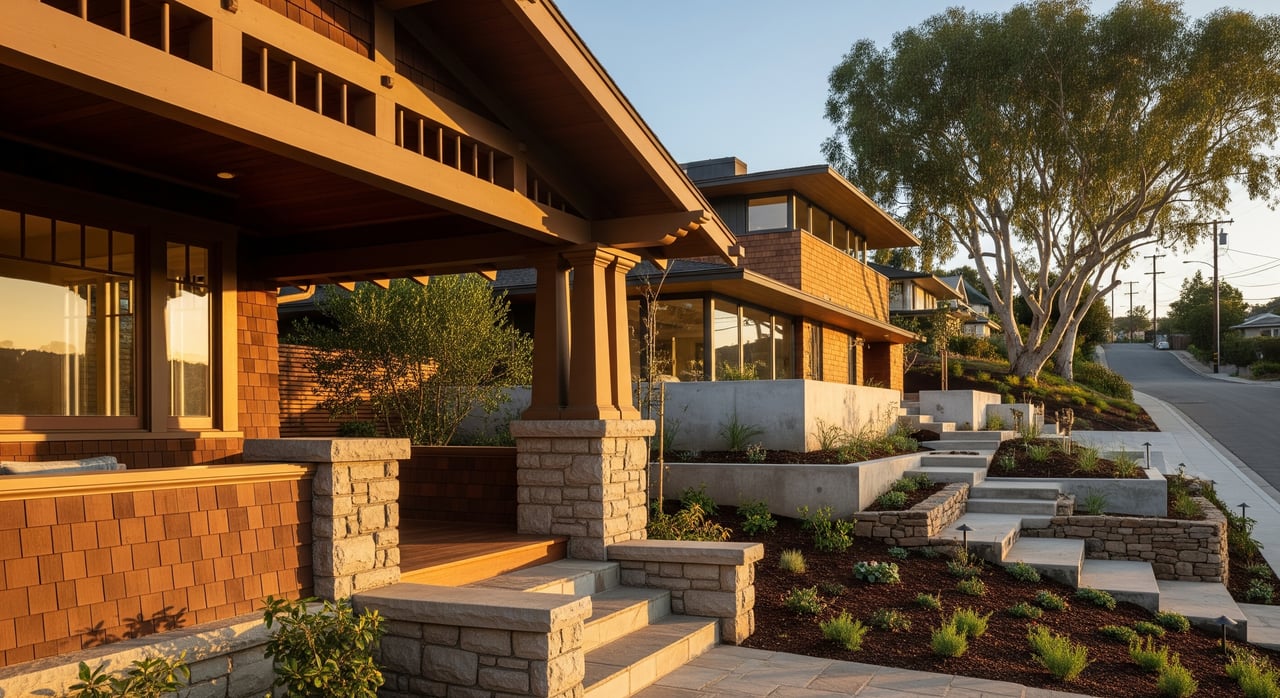
How to spot it
- Low-pitched gabled roofs with broad eaves and exposed rafter tails
- Tapered porch columns on piers, heavy wood trim, natural wood or shingle siding
- Grouped windows and porches that feel integral to the facade
How it lives
Craftsman interiors are open yet still defined by rooms, with built-ins that add storage and warmth. Expect wood trim, plaster walls, and a focal fireplace. Daylight is thoughtfully layered through grouped windows rather than full glass walls.
Buyer appeal and value
If you love original millwork, human-scaled rooms, and an authentic sense of craft, a well-preserved Craftsman will speak to you. Intact built-ins and period details tend to boost desirability. Thoughtful updates that honor the style are rewarded by a broad pool of design-minded buyers.
Common fixes and upgrades
- Replace aging electrical and plumbing, especially knob-and-tube wiring and galvanized pipes
- Address rot in porch elements and wood siding, and improve flashing where roofs meet walls
- Add insulation in attics or walls where feasible without damaging plaster
Smart update ideas
- Rework the kitchen for modern flow while retaining a key built-in or original trim
- Restore good original windows and add interior storm panes for comfort
- Use sympathetic materials for exterior repairs so the home reads as cohesive
Brown-shingle cottages
How to spot it
- Cedar or redwood shingles weathered to a soft brown, often with varied rooflines
- Asymmetry, dormers, and occasional Tudor nods like half-timbering or arched windows
- Intimate entries and landscaping that blends into the facade
How it lives
Interiors feel cozy and cottage-scaled, with nooks and somewhat lower ceilings in some homes. Wood trim and plaster details add warmth and texture. These houses favor a quiet, enveloping feel over large open spaces.
Buyer appeal and value
Brown-shingle cottages deliver storybook charm and rich materiality. When shingles and original wood details are in good condition, the emotional appeal is strong. Buyers who prioritize texture and character are often drawn to these homes.
Common fixes and upgrades
- Replace or repair shingles where rot or insects have taken hold, and improve moisture management at foundations and rooflines
- Update older wood shakes with fire-resistant roofing alternatives when replacement is due
- Repair or replicate period windows and trim with attention to proportion and profile
Smart update ideas
- Improve drainage, gutters, and flashing to protect shingles over time
- Retain the front elevation’s character, then modernize kitchens and baths inside
- Consider fiber-cement shingles in less visible areas to balance durability with look
Mid-century homes
How to spot it
- Low, horizontal lines with wide eaves and a mix of wood, stone, or stucco
- Large panes of glass, clerestory windows, and sliding doors that blend indoors and out
- Post-and-beam elements and cantilevered decks on sloped lots
How it lives
Mid-century plans feel fluid and light-filled. Rooms connect easily to patios and decks, and exposed beams often lend a sculptural feel. These homes prioritize day-to-day function, circulation, and indoor-outdoor flow.
Buyer appeal and value
If natural light, simple lines, and a clean backdrop for art and furnishings are your priorities, mid-century will fit. Authentic features like original windows, exposed structure, and open plans are highly marketable. View orientation adds a further premium.
Common fixes and upgrades
- Upgrade single-pane windows for energy performance where appropriate
- Address water intrusion at decks and sills, and engineer repairs where settlement or drainage are issues
- Remediate legacy materials like certain asbestos products when found
Smart update ideas
- Add high-efficiency glazing or interior storm systems while keeping mullion patterns clean
- Refresh kitchens with period-appropriate cabinetry, then open key walls for flow
- Rebuild decks to current safety codes with careful waterproofing
View homes
What defines it
Any era home that is oriented to vistas of San Pablo Bay, the Richmond shoreline, the San Francisco skyline, or surrounding hills. Expect large windows, expanded decks, and split-level plans that step with the slope.
How it lives
View homes trade yard size for outlook and light. Western-facing exposures offer sunsets and evening city glow. Access may be steeper, but everyday spaces feel larger thanks to the visual extension outdoors.
Buyer appeal and value
Unobstructed views often command a measurable premium, particularly when privacy and framing are strong. Buyers routinely accept smaller yards or more complex maintenance in exchange for sweeping outlooks. The best results come from glazing that captures the view without glare or overheating.
Common fixes and upgrades
- Rebuild or reinforce decks and railings to current codes and improve waterproofing
- Maintain foundations and retaining walls, and manage drainage carefully
- Use specialized glazing or shading to control heat gain and glare
Renovation realities in Kensington
- Structural and seismic: Many older wood-frame and hillside homes benefit from seismic bracing of cripple walls, bolting to foundations, and engineered piers on slopes. Structural engineer reports and county permits are standard for this work.
- Moisture and rot: Improve flashing, gutters, and site drainage. Replace damaged shingles or clapboards and repair porch elements to prevent ongoing issues.
- Systems: Plan for electrical rewiring, plumbing repipes, and insulation upgrades in older homes. Access through attics and crawlspaces keeps work tidy and targeted.
- Energy and sustainability: Add attic and wall insulation where feasible, consider high-performance windows or storm panels, evaluate solar, and explore heat pump systems. Place solar out of primary view elevations to preserve character.
- Wildfire readiness: Favor Class A roofs, ember-resistant vents, and maintained vegetation clearances. When replacing wood shakes, consider fire-resistant materials that match the home’s look.
- Access and permitting: Steep lots and narrow streets affect staging and scheduling, and permits go through Contra Costa County for structural, systems, and most exterior work.
What drives value and livability
- Original craftsmanship: Built-ins, millwork, and artisanal wood details create emotional pull and can enhance resale.
- Views and light: Well-framed bay or city views, generous glazing, and good daylighting elevate daily life and marketability.
- Floor plan logic: Updated kitchens and baths, smoother circulation, and indoor-outdoor flow broaden buyer appeal.
- Sensitive updates: Preserve defining features on visible elevations, then modernize interiors where it matters. Over-modernizing facades can reduce interest among buyers who prize neighborhood character.
Buyer checklist
- Get the right inspections: General home, pest/wood-destroying organisms, sewer scope when applicable, and a structural or geotechnical opinion for steep lots or visible foundation movement.
- Confirm systems and envelope: Ask about electrical, plumbing, insulation, and window type. Review drainage and deck condition, especially on hillside and view homes.
- Understand trade-offs: Smaller rooms or mature systems may come with period charm. Newer plans offer easier flow and energy performance.
- Think long-term: Budget for seismic and moisture work first to protect value, then plan kitchen, bath, and energy upgrades.
Seller prep playbook
- Lead with safety and structure: Address seismic bracing, drainage, and deck repairs to reduce buyer objections.
- Preserve focal details: Refinish built-ins, restore key windows or doors, and touch up exterior wood where it is most visible.
- Modernize where it counts: Update kitchens and baths with sympathetic finishes and improve lighting to showcase daylight and views.
- Streamline the process: If you plan pre-sale improvements, consider a managed approach with staging and cost-effective upgrades that align with style and budget.
Choosing your fit
- Craftsman: You value warmth, built-ins, and a classic neighborhood feel. You accept modest room sizes in exchange for character.
- Brown-shingle: You want texture and storybook charm. You are comfortable maintaining shingles and wood details.
- Mid-century: You prize light, openness, and indoor-outdoor flow. You will invest in glazing and deck performance.
- View home: You want a daily connection to the landscape. You trade some yard or easier access for unforgettable outlooks.
Ready to explore which style suits you and how to maximize its potential in Kensington? Reach out to the team that blends neighborhood knowledge with a design-forward eye. Connect with Scott & Scott Real Estate Associates to tour homes, assess upgrades, and plan a confident move.
FAQs
What defines a Kensington Craftsman and what should you inspect before buying?
- Look for low-pitched gables, exposed rafters, and built-ins, then prioritize inspections for wiring, plumbing, wood rot, and seismic anchoring.
Are brown-shingle homes in Kensington harder to maintain?
- Shingle exteriors need periodic repair and good moisture management, so plan for drainage, flashing, and targeted shingle replacement.
What mid-century window upgrades make sense in Kensington’s climate?
- Consider high-performance glazing or interior storm systems that improve comfort while keeping clean, period-appropriate lines.
How much premium do bay views add to a Kensington home?
- Premiums vary by quality and privacy of the view, so use local comparable sales to gauge potential value on your specific street.
Do hillside homes in Kensington usually need seismic retrofits?
- Many benefit from bracing and bolting, and some need engineered foundation work, so a structural evaluation is a wise early step.
Who handles building permits for Kensington remodels?
- Contra Costa County manages permits and inspections for structural, systems, additions, and most exterior work in Kensington.