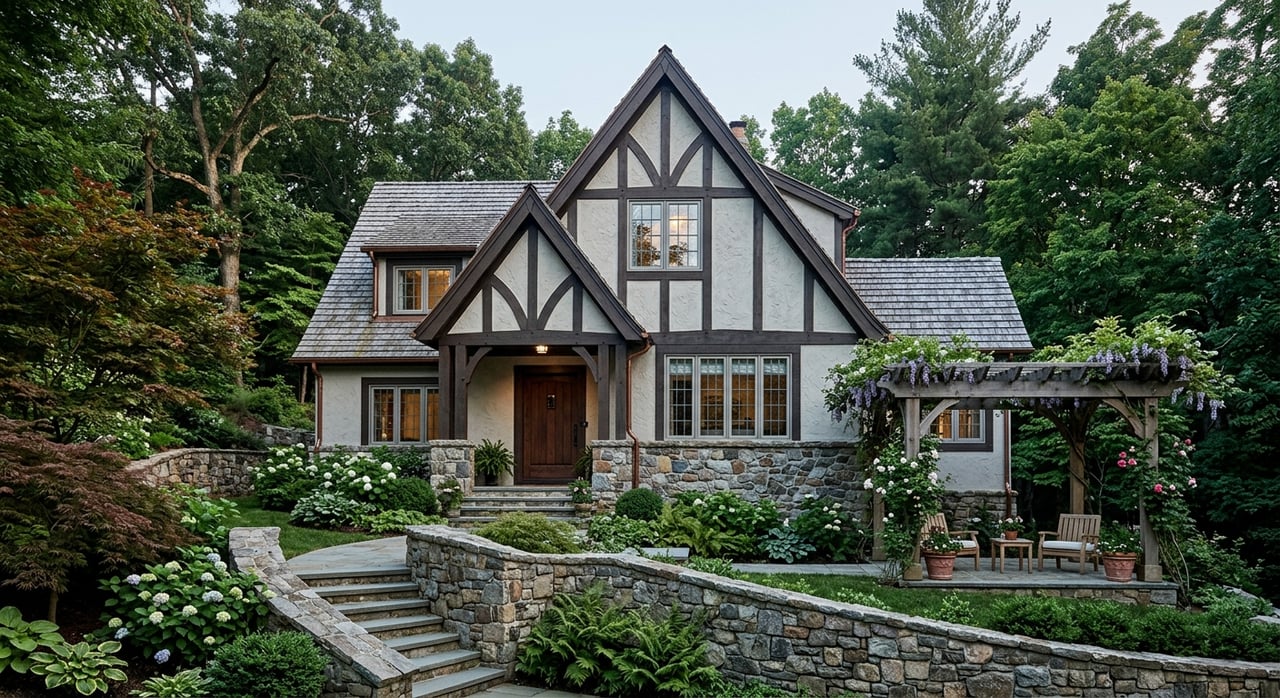
Piedmont vs Oakland Housing: Which Home Suits You?
June 18, 2026
June 18, 2026
Trying to choose between Piedmont and the Oakland Hills? It is a common East Bay question, and the answer usually comes down to how you want to live every day, not just what looks best on paper. If you are weighing commute patterns, neighborhood feel, home rules, and long-term upkeep, a clear side-by-side view can make the decision much easier. Let’s dive in.
At a high level, Piedmont and the Oakland Hills offer different versions of East Bay living. Piedmont is a compact, mostly residential city of about 11,000 residents across 1.7 square miles, with limited commercial zoning and a strong civic identity. That often appeals to buyers who want a small-city feel with parks, schools, and community amenities close at hand.
The Oakland Hills umbrella covers neighborhoods with more variation. For many buyers comparing Piedmont to the hills, Montclair and Crocker Highlands are the most relevant alternatives because each offers a distinct residential setting with access to established commercial districts. In practical terms, that can mean more built-in convenience for errands, dining, and local services.
Piedmont tends to feel highly residential and carefully maintained. The city has only two small areas zoned for commercial business and mixed use, so most of your day-to-day setting is shaped by homes, gardens, parks, and civic spaces rather than a retail core. If you want your neighborhood to feel separate from busier commercial activity, that can be a major plus.
Piedmont also has its own unified school district, which serves about 2,400 students across three elementary schools, one middle school, and two high school options. For buyers who value a distinct municipal identity, that school and city structure can feel especially cohesive. It creates a clear sense of place that is different from being part of a larger city system.
Oakland Hills neighborhoods can offer more of a neighborhood-village experience. Montclair, for example, has an active village center and is recognized by Oakland as an organized business district. That gives it a self-contained feel that many buyers love, especially if you want shops, services, and neighborhood activity nearby.
Crocker Highlands has a different rhythm. It is closely tied to the Lakeshore corridor, which connects you to a lively retail area and easy access toward Lake Merritt. If you want an established East Bay residential setting while staying near one of Oakland’s best-known commercial corridors, Crocker Highlands often stands out.
If your week involves regular trips into San Francisco, commute options may shape your choice quickly. Piedmont has direct AC Transit service to San Francisco on Line P, which runs between Salesforce Transit Center and Piedmont via I-580 and Oakland Avenue. It also has other transit connections into Berkeley, Downtown Oakland, and Piedmont.
Montclair has one of the clearest commute advantages for transbay riders. AC Transit Line V runs directly from Salesforce Transit Center to Broadway Terrace in Oakland, traveling through Moraga Avenue and Broadway Terrace. For buyers who want a hillside setting without relying entirely on a car for San Francisco trips, that direct route is meaningful.
Crocker Highlands offers a different kind of convenience. AC Transit Line 22 serves Lakeshore Avenue and Mandana Boulevard and connects through West Oakland BART and Downtown Berkeley. That makes the neighborhood feel tied into the broader East Bay street grid and retail fabric rather than tucked away.
Piedmont’s convenience story is civic rather than commercial. The city offers parks, recreation programming, a community pool, a community hall, and a compact civic center. For many residents, that supports a strong local routine, even though larger errands often happen in nearby Oakland business districts.
Montclair adds more everyday retail support within the neighborhood itself. Oakland identifies Montclair Village as an active business district, and the area also benefits from local services like street cleaning, security patrols, and merchant marketing through its BID. Buyers who want a more walkable, village-centered daily pattern often respond well to that setup.
Crocker Highlands is less about a village core and more about access to the Lakeshore corridor. Oakland’s business-district information notes community marketing, street cleaning, and beautification along Lakeshore Avenue. If being close to a lively commercial strip matters to you, that can be a strong point in its favor.
One of the biggest differences between Piedmont and Oakland Hills neighborhoods is how home changes are reviewed over time. In Piedmont, planning and design rules emphasize residential character, home scale, mature vegetation, views, and the overall appearance of the city. New construction and remodels go through design review intended to keep changes harmonious with the surroundings.
For some buyers, that level of oversight feels reassuring. It can support consistency from block to block and protect the qualities that attracted you to the neighborhood in the first place. For other buyers, it may feel like a tradeoff if you prefer a less regulated path for exterior updates.
Oakland can also involve design review, especially for exterior changes. In some neighborhoods, historic-property rules or neighborhood-specific protections add another layer. That matters most when you are buying an older home where architectural character is part of the appeal.
If future flexibility matters, Piedmont has a notable advantage around ADUs and JADUs. The city says review is ministerial, with no public notice or hearing, although some properties that sit in both Piedmont and Oakland may need approval from both cities. For buyers thinking about multigenerational living, guest space, or supplemental rental income, that can be an important planning benefit.
Oakland buyers should take a more property-specific approach. Depending on the neighborhood and whether a home has historic status or sits in an area with additional review standards, renovation timelines and design choices may be more layered. That does not make Oakland less appealing, but it does mean due diligence matters.
Crocker Highlands can add one more factor. Some properties in the broader Lakeshore Homes Association area are deed-restricted and governed by CC&Rs, which may bring additional architectural expectations. If you are considering that area, it is worth understanding not only city rules but also any private restrictions tied to the property.
Long-term ownership in both Piedmont and the Oakland Hills should include wildfire planning. Piedmont has designated all of the city as a Wildland Urban Interface area and adopted the state’s new WUI fire code in December 2025. The city also encourages residents to sign up for alerts, prepare evacuation plans, harden homes, and request wildfire inspections.
Oakland’s hillside neighborhoods face a more explicit ongoing inspection framework. The city inspects around 26,000 parcels each year in the Wildland-Urban Interface fire area, and parcels in that zone must maintain defensible space. Properties on slopes may be subject to stricter Zone 2 rules.
For buyers, this is not just a seasonal concern. Vegetation management, fire-hardening materials, and upkeep planning are part of the carrying cost of hillside ownership. If you love the setting, views, and architecture these areas offer, it helps to go in with a realistic sense of stewardship.
Piedmont often fits buyers who want a compact city, a highly residential setting, and a clear civic identity. It can be a strong match if you value neighborhood consistency, a school-centered community structure, and a more defined small-town atmosphere within the East Bay. Buyers who are comfortable with design review and local oversight often see that as part of the value.
Montclair tends to suit buyers who want hillside living with a neighborhood center. Its direct transbay bus service, active village district, and local amenities create a balance of space, transit access, and daily convenience. If you want an Oakland address with a distinct neighborhood core, Montclair is often the most compelling hills alternative.
Crocker Highlands can be the right fit if you want a classic East Bay residential setting tied closely to the Lakeshore corridor. It offers an established neighborhood feel with practical access to shops, services, and transit nearby. For buyers looking for a middle ground between residential calm and urban convenience, it is often a strong contender.
If you are torn, try ranking these four factors from most important to least important: commute, neighborhood identity, remodel flexibility, and long-term maintenance. That simple exercise often makes the right answer clearer. A home can be beautiful in either location, but the better match is the one that supports your day-to-day life with fewer compromises.
The good news is that there is no wrong choice here. Piedmont, Montclair, and Crocker Highlands each offer a different version of East Bay value, character, and convenience. The key is finding the one that aligns best with how you want to live now and what you may need from your home later.
If you want help comparing specific blocks, properties, or ownership tradeoffs in Piedmont and Oakland, Scott & Scott Real Estate Associates can help you evaluate the details with local perspective and hands-on guidance.
Stay up to date on the latest real estate trends.
We understand that transitions are exciting, scary and stressful, but, more importantly, they are a huge step towards your future. Whether buying your first home or letting go of a lifetime of memories, the Scotts understand the process and will guide you through with timely information and sincere kindness.
SCOTT & SCOTT REAL ESTATE ASSOCIATES
ADDRESS
6211 MEDAU PL STE 210
OAKLAND CA 94611
Talley Scott | CA DRE# 01928609
Mindy Scott | CA DRE# 01154961