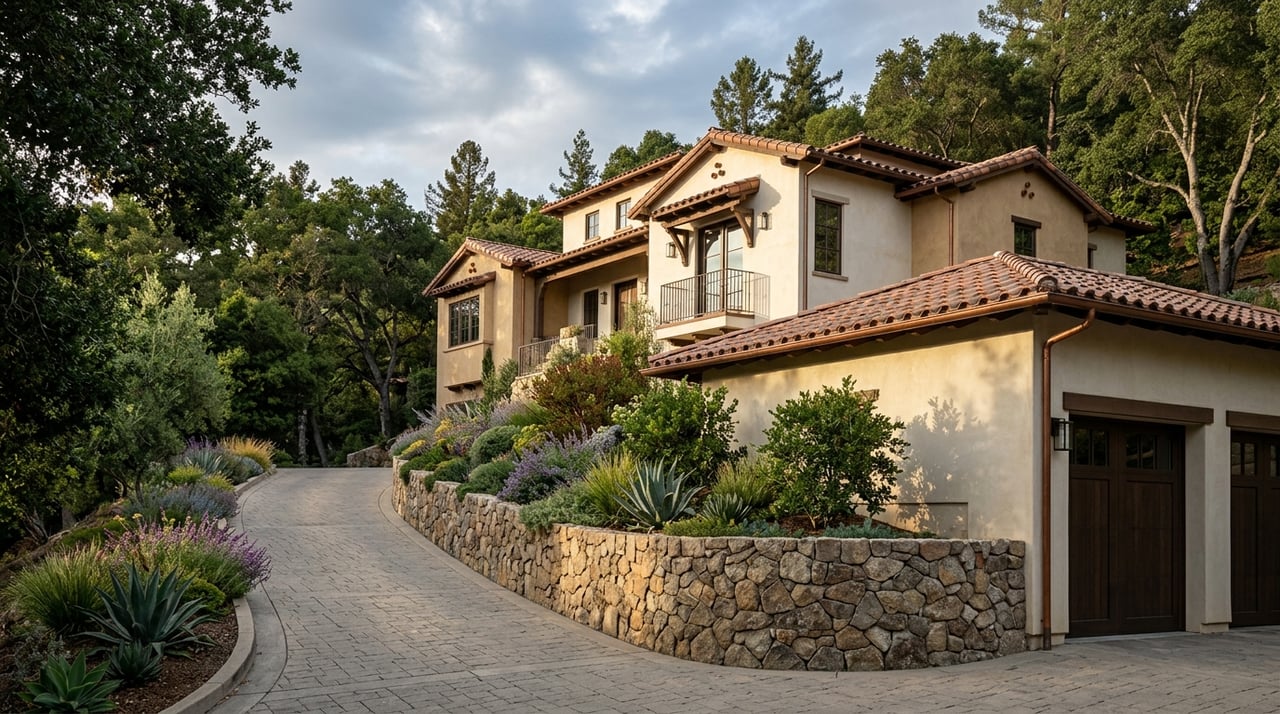
A Smarter Berkeley Hills Home Buying Checklist
May 14, 2026
May 14, 2026
If you are shopping in the Berkeley Hills, it is easy to fall for the view first. Bay vistas, winding streets, and architecturally distinctive homes can make a property feel unforgettable. But in this part of Berkeley, smart homebuying also means looking closely at wildfire exposure, access, slopes, drainage, and permit history before you get attached. Let’s dive in.
In the Berkeley Hills, wildfire risk is not a side issue. The City of Berkeley treats the High Fire Hazard Severity Zone, Very High Fire Hazard Severity Zone, Panoramic Mitigation Area, and Grizzly Peak Mitigation Area as wildland-urban interface areas. That makes fire safety a core part of your buying checklist.
Before you write an offer, confirm whether the parcel sits in one of these mapped areas. Berkeley’s GIS and parcel tools include wildfire risk, Fire Hazard Severity Zones, and evacuation zones. This is one of the most important first checks because it shapes what you may need to do as an owner.
Berkeley asks property owners citywide to maintain at least 5 feet of defensible space around the home. In the Grizzly Peak and Panoramic Mitigation Areas, the city also calls for removal of fire-prone materials within 100 feet.
As you tour a home, look at the area right around the structure. Dense planting, stacked firewood, combustible fencing, or heavy vegetation close to the house may signal work you will want to plan for soon after closing.
Berkeley states that new construction and remodels in state-defined fire hazard zones require wildfire-resistant materials and methods. If a home has had recent work, it is worth asking what was done and whether the improvements reflect local hillside fire standards.
For older homes, pay close attention to roofs, vents, eaves, and windows. Berkeley’s wildfire-reduction guidance makes these areas especially important when you are evaluating how vulnerable a property may be.
One of the clearest messages from the City of Berkeley is that evacuation in the hills can be difficult. The city says narrow roadway geometry complicates large-scale evacuation, and even the biggest roads do not have enough capacity for everyone in a major event.
The city’s guidance is also unusually direct: during declared Extreme Fire Weather, the safest choice is to leave the hills early. As a buyer, that means you should think beyond scenic drives and ask yourself how this location works under pressure, not just on a calm Saturday afternoon.
A beautiful hillside home can feel very different when you factor in daily access. Berkeley says roads and driveways in wildland-urban interface areas must allow safe access for emergency wildfire equipment and civilian evacuation at the same time. That has real implications for how functional a property will feel day to day.
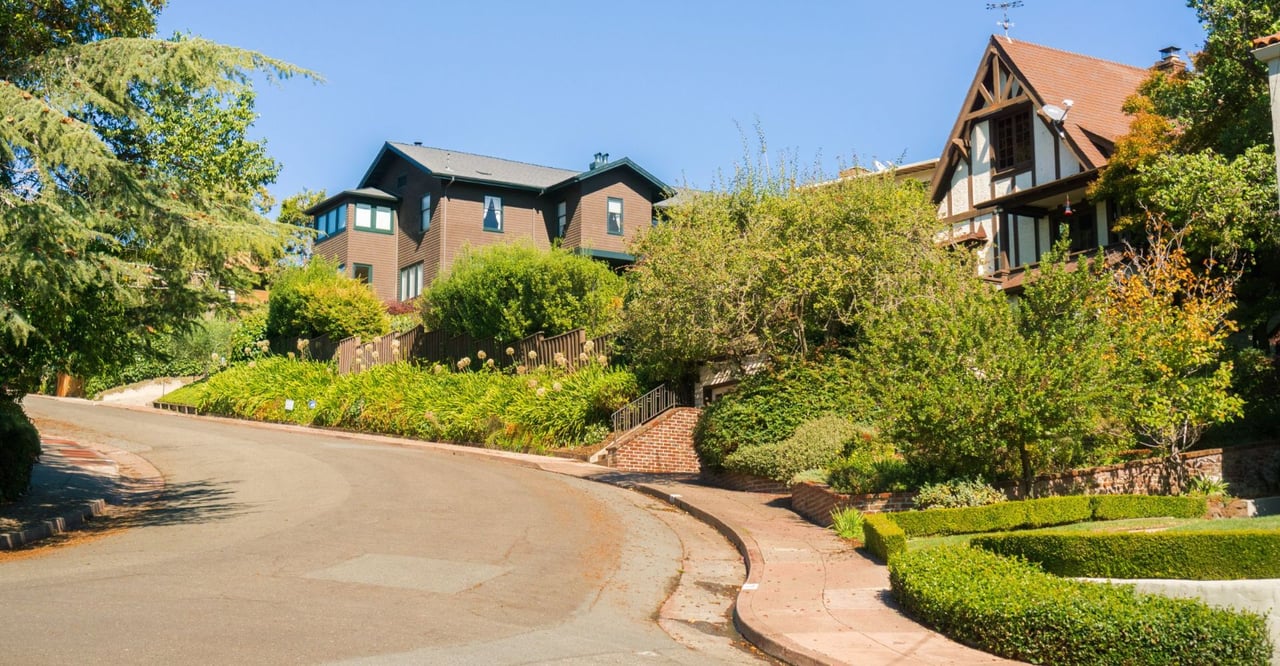
When you visit, pay attention to street width, driveway angle, and curb conditions. Some Berkeley Hills streets have red curbs or no-parking signs because they are narrow and must stay clear for fire trucks. A block that feels charming on first impression may be much less convenient when guests arrive or multiple cars need to come and go.
Your fastest route to work is only part of the picture. Berkeley’s evacuation study makes clear that the best commute route and the best evacuation route may not be the same.
Try driving the home’s likely routes at different times of day. It helps to test school-hour traffic, evening peak traffic, and weekend conditions so you get a more realistic sense of access.
Parking can be a bigger issue in the hills than many buyers expect. Berkeley tightly manages on-street parking, and temporary restrictions can appear for events, construction, or fire access.
Use this quick parking checklist during showings:
If you expect to use BART as part of your routine, verify station access and parking rules directly for your likely station. Berkeley has Downtown Berkeley, North Berkeley, and Ashby stations, but park-and-ride convenience should never be assumed without checking the details.
In the Berkeley Hills, the lot matters as much as the house. Berkeley’s GIS portal includes landslide zones, and California seismic hazard mapping identifies areas that may be prone to earthquake-induced landslides. In practical terms, that means a stylish exterior or updated kitchen should never distract you from what the ground is doing.
If a parcel shows slope or landslide sensitivity on the city map, it is wise to order or review a geotechnical report. This is especially important if the property has steep topography, significant grading, retaining walls, or prior additions.
Mapped hazards do not replace a site-specific expert review, but they do tell you where to focus. While walking the property, look for signs that deserve closer investigation.
Key items to note include:
State and geologic guidance emphasizes that steep slopes, prior landslides, soil and rock conditions, earthquakes, and heavy rainfall can all play a role. If the site raises questions, a qualified geotechnical engineer is the right next step.
Berkeley requires permits for most construction and repairs, including many alterations to existing buildings and trade-system changes. In hillside areas, local construction rules can go beyond the state code because of wildfire concerns.
That is why permit history is one of the most valuable document requests you can make. Unpermitted decks, retaining walls, additions, or roof work can become expensive issues after closing, especially if later corrections trigger current hillside standards.
In the hills, not all improvements carry the same level of risk. Some deserve extra attention because they affect safety, durability, or future project costs.
Ask for records tied to these items:
If documents are incomplete, that does not always mean there is a problem. It does mean you should slow down, ask better questions, and understand what additional review may be needed before you close.
Many Berkeley Hills homes have character, and many also have age. Older properties can be especially appealing here, but they may come with inspection items that matter more in a hillside setting.
Berkeley Fire Prevention inspects certain residential occupancies, including homes in Grizzly Peak or Panoramic Mitigation areas and the High or Very High hill zones. Multifamily buildings with exterior elevated elements more than six feet above grade also need cyclical E3 inspections for issues such as deterioration, corrosion, decay, and active water intrusion.
For older homes and condo buildings, exterior details can tell you a lot. Berkeley’s wildfire-hardening guidance and E3 inspection standards point buyers toward a few especially important areas.
As you evaluate the property, note the condition of:
If you see visible wear, staining, softness, rust, or signs of water intrusion, that should move up your due diligence list quickly.
In Berkeley, architecture is more than style. Some properties are landmarks, structures of merit, or located in historic districts, and exterior changes to designated properties can require Landmarks Preservation Commission approval before permit review.
For buyers who love period detail and design integrity, this can be part of the appeal. It can also affect timelines, scope, and flexibility if you plan to renovate or expand later.
A good question to ask early is simple: what kind of approval history and preservation status does this property have? If the home is architecturally significant, make sure your vision for future changes matches the rules attached to the property.
The Berkeley Hills lifestyle is about more than the house itself. Access to trails, parks, and hillside open space is a meaningful part of the area’s appeal.
Tilden Regional Park sits just over the hill from Berkeley and can be reached via Canon Drive, Shasta Road, or South Park Drive off Grizzly Peak Boulevard. Codornices Park also offers wooded trails and stair routes that connect back into hillside neighborhoods.
These nearby outdoor features can be a real quality-of-life benefit. At the same time, trail-adjacent living may come with its own traffic, parking, or access considerations, so it is worth visiting the area at different times to get a balanced picture.
When you are comparing homes, it helps to keep your decision grounded in the same practical categories every time. That way, the view enhances your judgment instead of replacing it.
Use this Berkeley Hills checklist before you move forward:
A Berkeley Hills purchase can be deeply rewarding, especially if you value design, setting, and a strong sense of place. The key is to match that excitement with careful due diligence so you know exactly what you are buying.
If you want help evaluating a hillside property with both design appreciation and practical local insight, Scott & Scott Real Estate Associates can help you navigate Berkeley with clarity and confidence.
Stay up to date on the latest real estate trends.
We understand that transitions are exciting, scary and stressful, but, more importantly, they are a huge step towards your future. Whether buying your first home or letting go of a lifetime of memories, the Scotts understand the process and will guide you through with timely information and sincere kindness.
SCOTT & SCOTT REAL ESTATE ASSOCIATES
ADDRESS
6211 MEDAU PL STE 210
OAKLAND CA 94611
Talley Scott | CA DRE# 01928609
Mindy Scott | CA DRE# 01154961