Alameda Island Living Guide for Future Residents
April 16, 2026
April 16, 2026
If you want Bay Area convenience without giving up a neighborhood feel, Alameda often stands out fast. Living on an island can sound niche at first, but Alameda offers something many buyers are looking for: historic character, everyday walkability, waterfront access, and multiple ways to get around. If you are considering a move here, this guide will help you understand what daily life on the island can actually look like. Let’s dive in.
Alameda is a city of roughly 80,000 residents set on a low-lying island in the Bay, connected to the mainland by four bridges, two underwater tubes, and three ferry terminals. According to the City of Alameda’s resident overview, the city is known for tree-lined streets, walkable and bike-friendly neighborhoods, and locally owned shops and restaurants in historic retail districts.
That combination helps explain why Alameda feels different from many nearby communities. You get a central East Bay location, but the rhythm of daily life can feel more local, more relaxed, and more connected to the water.
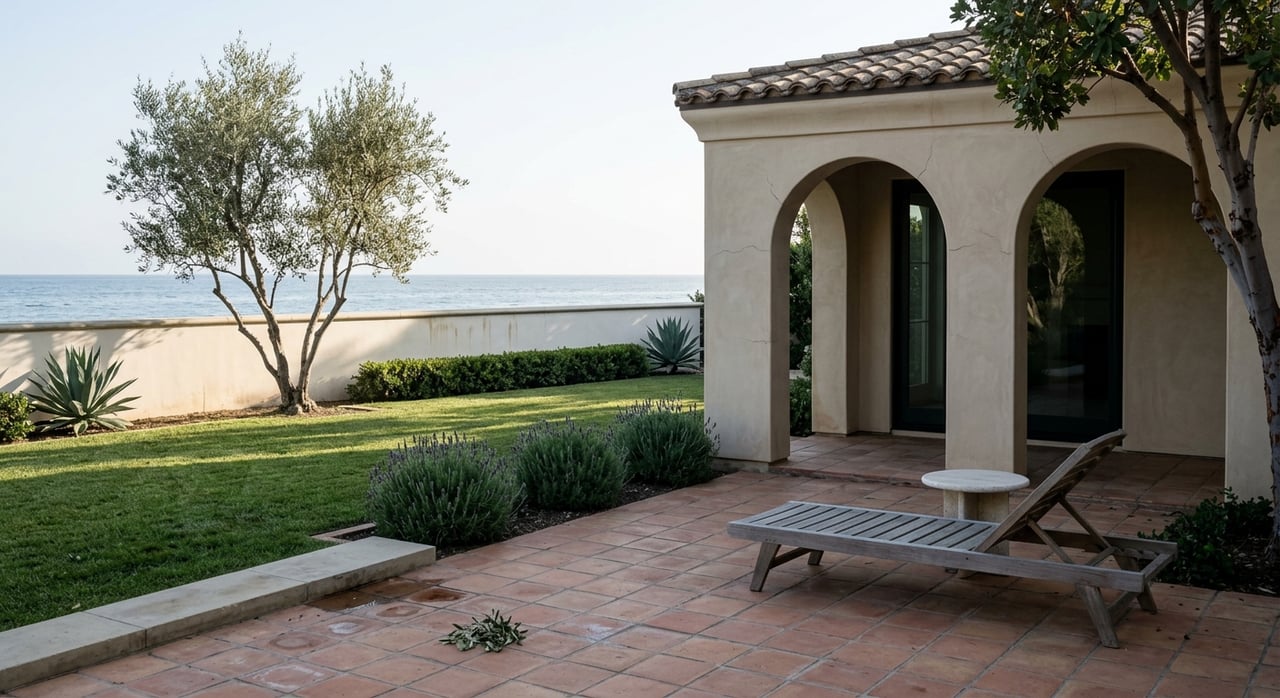
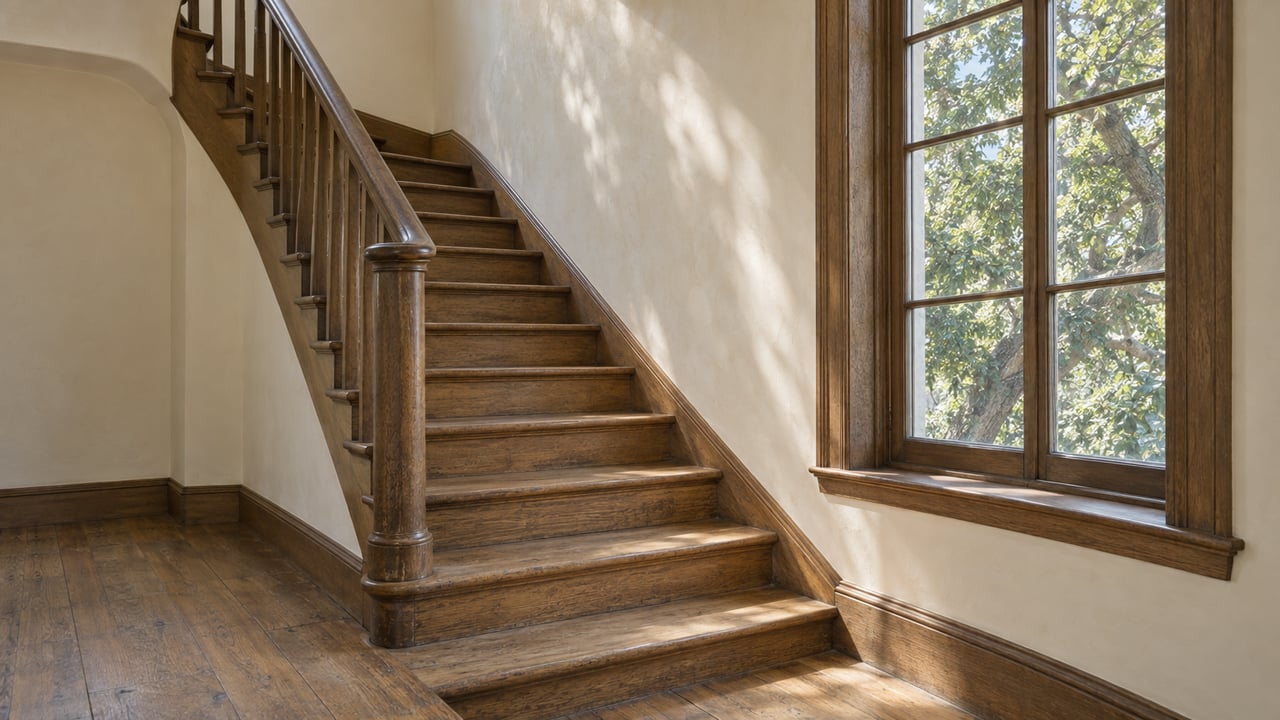
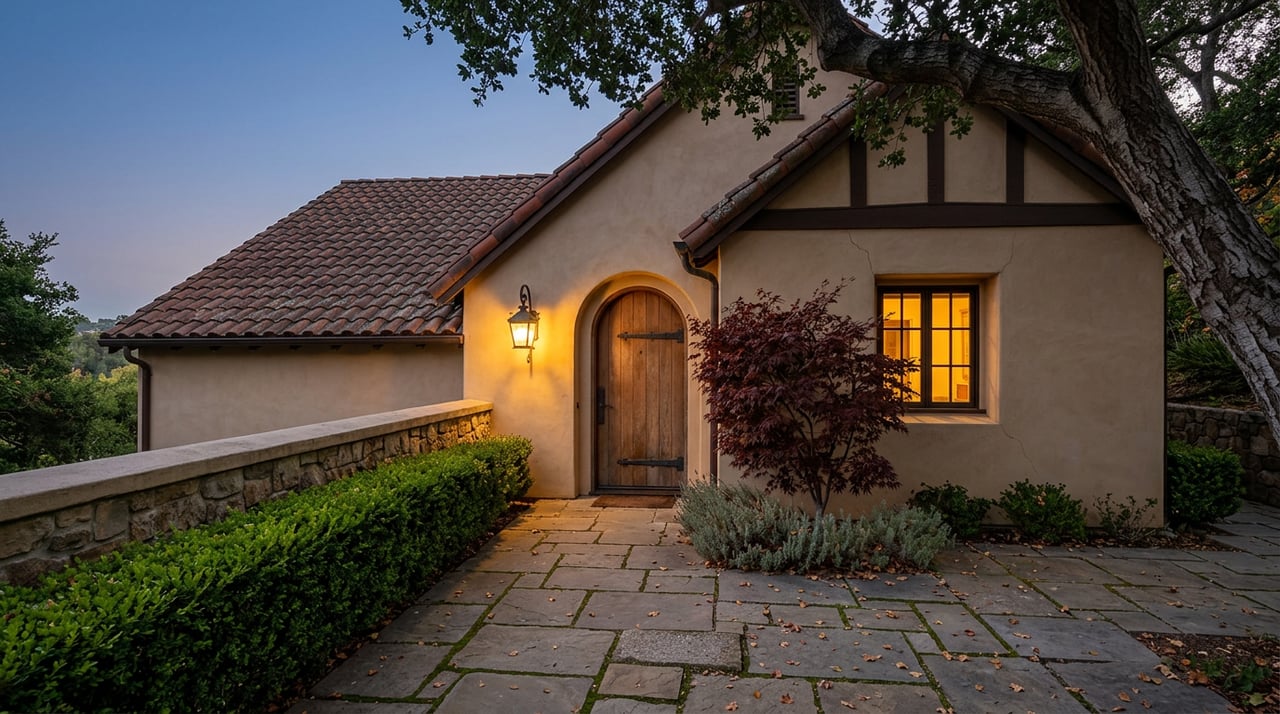
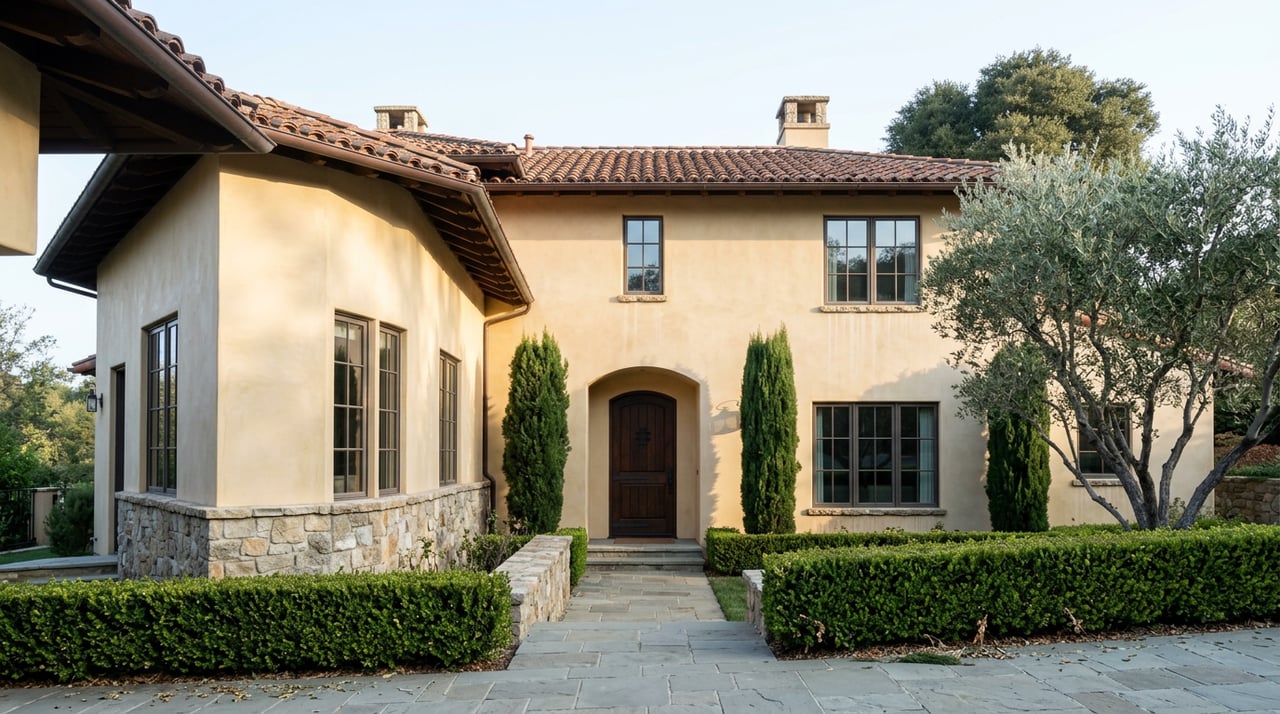
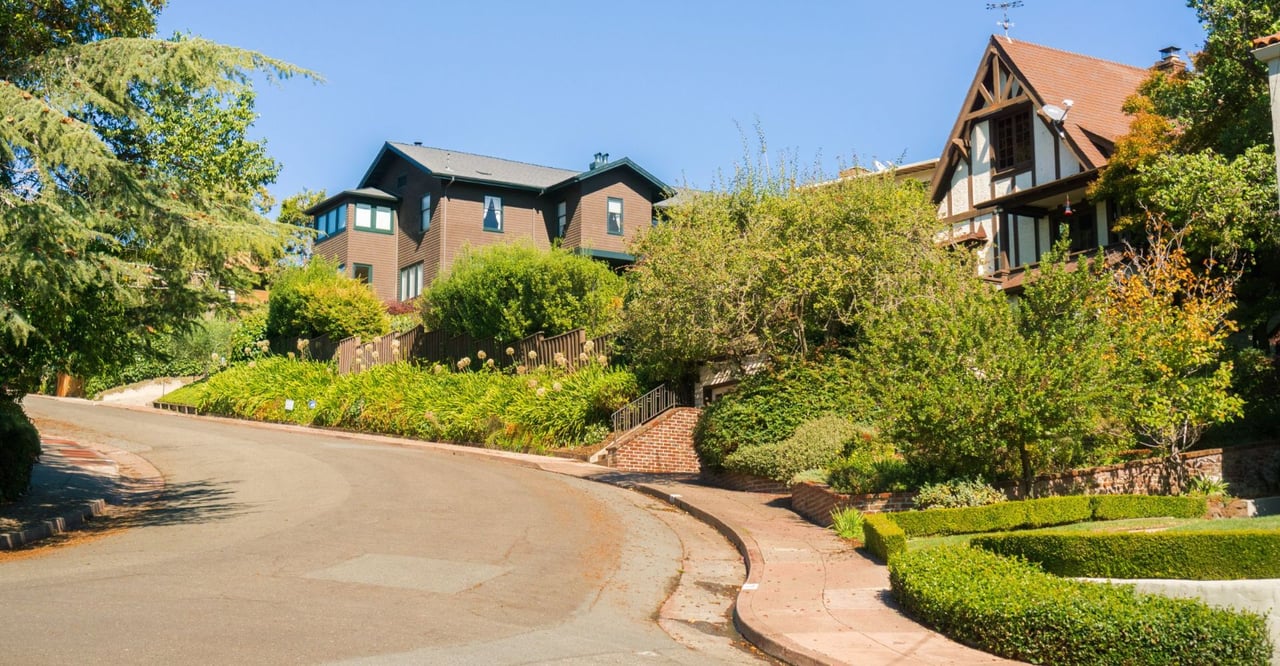
One of Alameda’s strongest draws is its architecture. The city’s residential design guidance identifies Victorian, Edwardian, Colonial Revival, Craftsman, Spanish, and Period Revival buildings as historic resources, and many buildings constructed before 1942 receive special review under preservation rules.
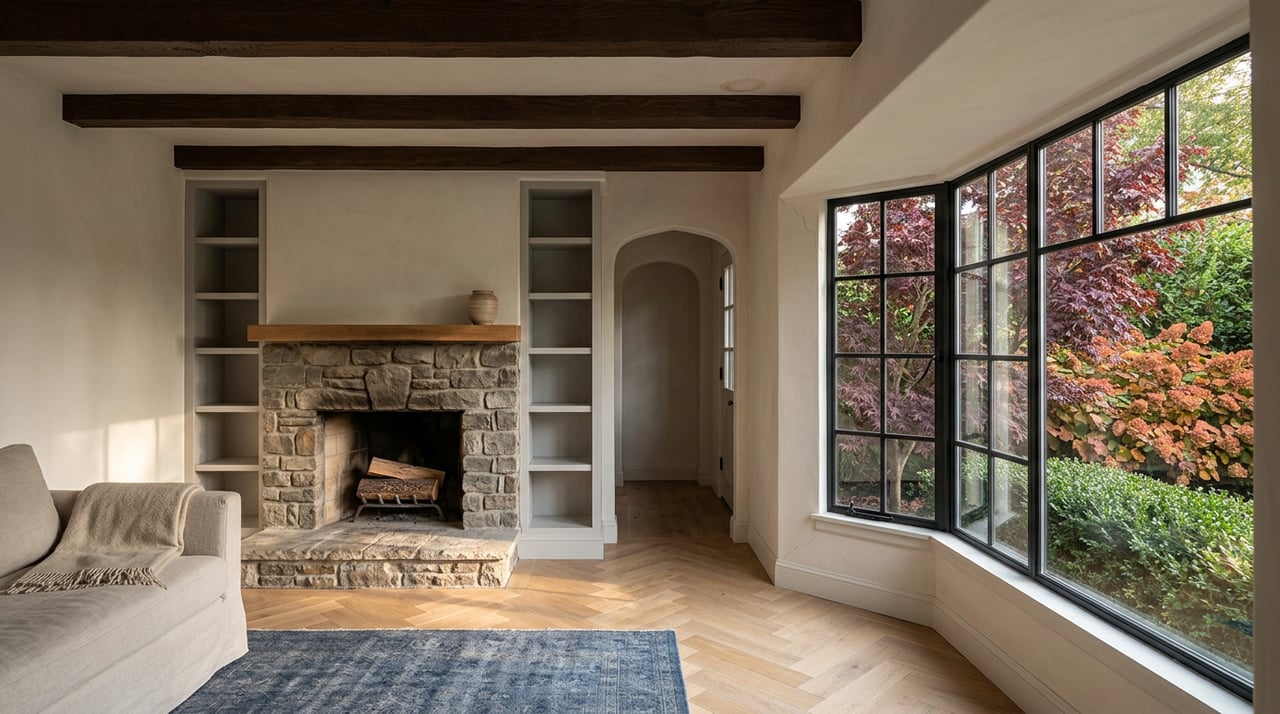
In practical terms, that means Alameda often feels older, more layered, and more architecturally varied than many East Bay suburbs. If you are drawn to homes with original detail, established streetscapes, and a sense of continuity, Alameda has a lot to offer.
The Gold Coast is tied to Alameda’s more established residential fabric. The city notes that Franklin Park is located in the Gold Coast, which supports its reputation as one of the island’s long-established areas.
For buyers, this part of Alameda can be especially appealing if you value classic homes, mature landscaping, and a setting that reflects the island’s preservation-minded identity.
On the west side, Alameda has a different flavor. The city describes the West Alameda Business District as a district of locally owned shops, cafes, and a vibrant arts scene featuring murals.
That gives the West End a neighborhood-commercial feel that many buyers appreciate. It can feel practical and grounded, with day-to-day amenities woven into the area’s local identity.
Alameda Point adds yet another layer to island living. The city explains that Alameda Point is part of the former Naval Air Station Alameda and is being redeveloped into a mix of commercial, residential, open space, recreational, and retail uses.
More than 100 businesses and more than 1,000 workers are already based there, and Spirits Alley has become a cluster of artisan distilleries, tasting rooms, breweries, and eateries in historic hangars. If you like places where old industrial structures are being reimagined in creative ways, Alameda Point offers a setting that feels distinct within the East Bay.
Bay Farm Island, the southern part of Alameda, has its own appeal. The city notes that Shoreline Park wraps around the outer portion of the island with paved walking trails and views of the San Francisco skyline.
For many residents, that shoreline access becomes part of everyday life. It is less about a once-in-a-while outing and more about being able to step outside for a walk, a bike ride, or a view of the water.
Alameda’s physical layout shapes daily life in a real way. The city’s master tree plan notes that Alameda is mostly flat land along the Bay floodplain, with most of the city only a couple of meters above sea level.
That flatness is one reason the city tends to feel accessible for walking and biking. The same city document notes there are more than 22 miles of bike lanes and over 17 miles of biking and walking trails.
Alameda continues to expand lower-stress routes for people outside of cars. The city describes the Cross Alameda Trail as a premier four-mile bicycling and walking corridor that will connect the west side of the island to the east, and its Neighborhood Greenways program is slated to create about 10 miles of greenways by 2030.
For buyers who value a more active, connected daily routine, this matters. It means errands, school drop-offs, coffee runs, and evening walks can feel more integrated into the neighborhood fabric.
Alameda’s core business corridors have also been updated with pedestrians in mind. The city reports that Park and Webster Streets were reconfigured to expand space for outdoor dining, retail, and services, with bike lanes and curbside loading and ADA zones added in 2024.
That kind of infrastructure change can shape the feel of a place more than buyers expect. It supports a more social street life and makes everyday commercial areas easier to enjoy on foot.
If you work beyond Alameda, commute flexibility is often part of the equation. The SF Bay Ferry Oakland & Alameda route runs daily between Downtown San Francisco, Oakland Jack London Square, and Main Street Alameda on the schedule effective March 9, 2026.
The city also notes that Alameda has three ferry systems with direct service to Downtown San Francisco, Oracle Park, Chase Center, Pier 41, South San Francisco, and Oakland, along with two BART stations within about one mile of the island and AC Transit express service. For many residents, that mix creates real options depending on where you work and how you prefer to travel.
There is also the free Oakland-Alameda Water Shuttle, which runs between Alameda Landing and Jack London Square and can carry bicycles. It is a smaller connection, but a useful one if you want another way to move between Alameda and Oakland.
Water is part of Alameda’s identity, but what stands out is how usable it feels. This is not just about scenic views. It is about having open space, trails, and shoreline destinations that fit into regular life.
East Bay Parks describes Crown Memorial State Beach as a 2.5-mile beach with dunes bordering a bicycle trail, with Crab Cove at the north end serving as a marine reserve and Elsie Roemer Bird Sanctuary at the east end. For many residents, Crown Beach becomes a dependable part of the weekly routine, whether that means walking, biking, or simply spending time near the water.
Shoreline Park on Bay Farm adds a different experience, with paved trails and skyline views. Together, these spaces give Alameda a broad relationship to the waterfront, with options spread across the island instead of concentrated in one spot.
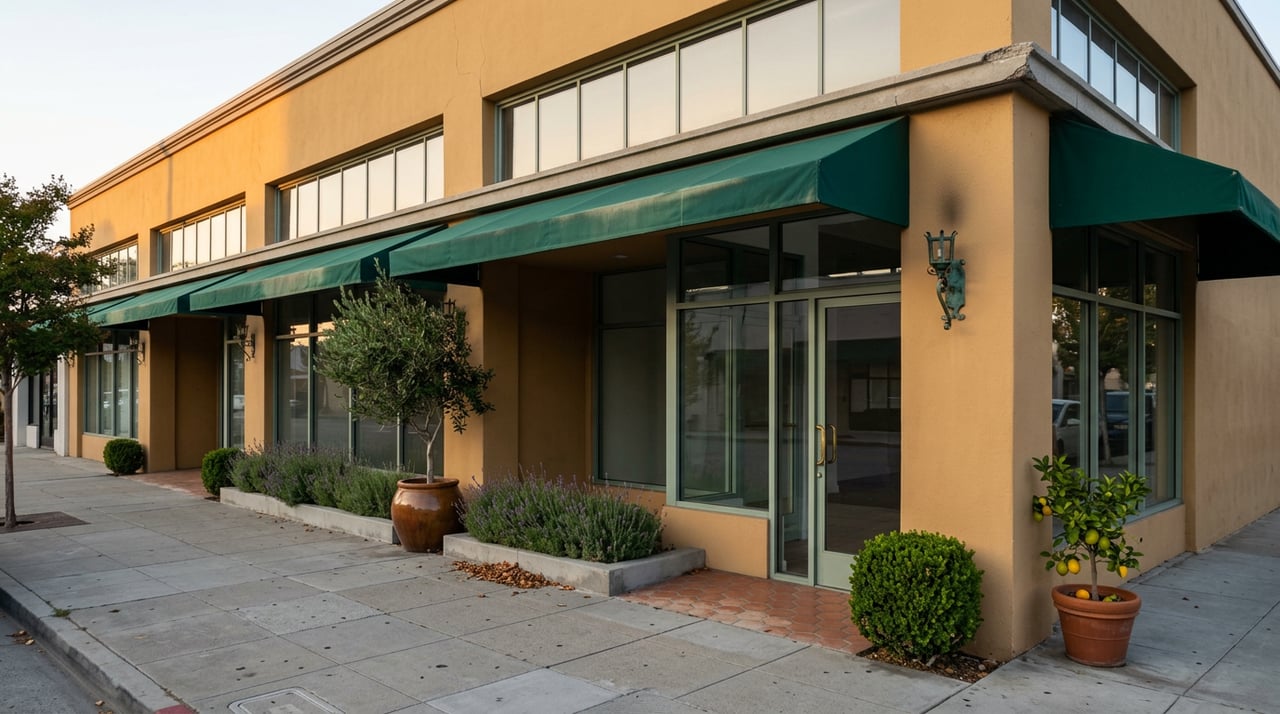
Alameda’s commercial life is anchored by two historic business districts: Park Street on the east end and Webster Street on the west end. The city explains that these Business Improvement Areas support a healthy retail and service climate, while public street improvements have expanded outdoor dining and retail space.
For you as a resident, that often translates into choice. You are not limited to one main corridor or one kind of outing.
The city’s 2026 Restaurant Week highlighted 65 eateries from east to west, a useful sign that Alameda’s dining scene is spread across the island. The city also points to larger shopping destinations such as South Shore Shopping Center and Alameda Landing, plus 17 neighborhood station districts around historic streetcar stations.
A helpful way to think about the island is this:
That mix is part of what makes Alameda appealing to people who want both convenience and character.
Every buyer has a different checklist, but Alameda tends to resonate with people looking for a few specific qualities:
If that combination matches how you want to live, Alameda may deserve a closer look.
Alameda is not one-note. The housing stock, street patterns, commercial districts, and waterfront access can vary a lot from one part of the island to another.
That is why local context matters when you are evaluating homes here. Beyond square footage and price, it helps to understand how a home connects to trails, shopping streets, ferry service, parks, and the architectural character that makes Alameda distinct.
If you are considering a move to Alameda, working with a team that understands East Bay neighborhoods, design value, and lifestyle fit can make your search much more focused. Scott & Scott Real Estate Associates offers thoughtful, hands-on guidance for buyers and sellers who want a more informed and personalized approach.
Stay up to date on the latest real estate trends.
We understand that transitions are exciting, scary and stressful, but, more importantly, they are a huge step towards your future. Whether buying your first home or letting go of a lifetime of memories, the Scotts understand the process and will guide you through with timely information and sincere kindness.
SCOTT & SCOTT REAL ESTATE ASSOCIATES
ADDRESS
6211 MEDAU PL STE 210
OAKLAND CA 94611
Talley Scott | CA DRE# 01928609
Mindy Scott | CA DRE# 01154961