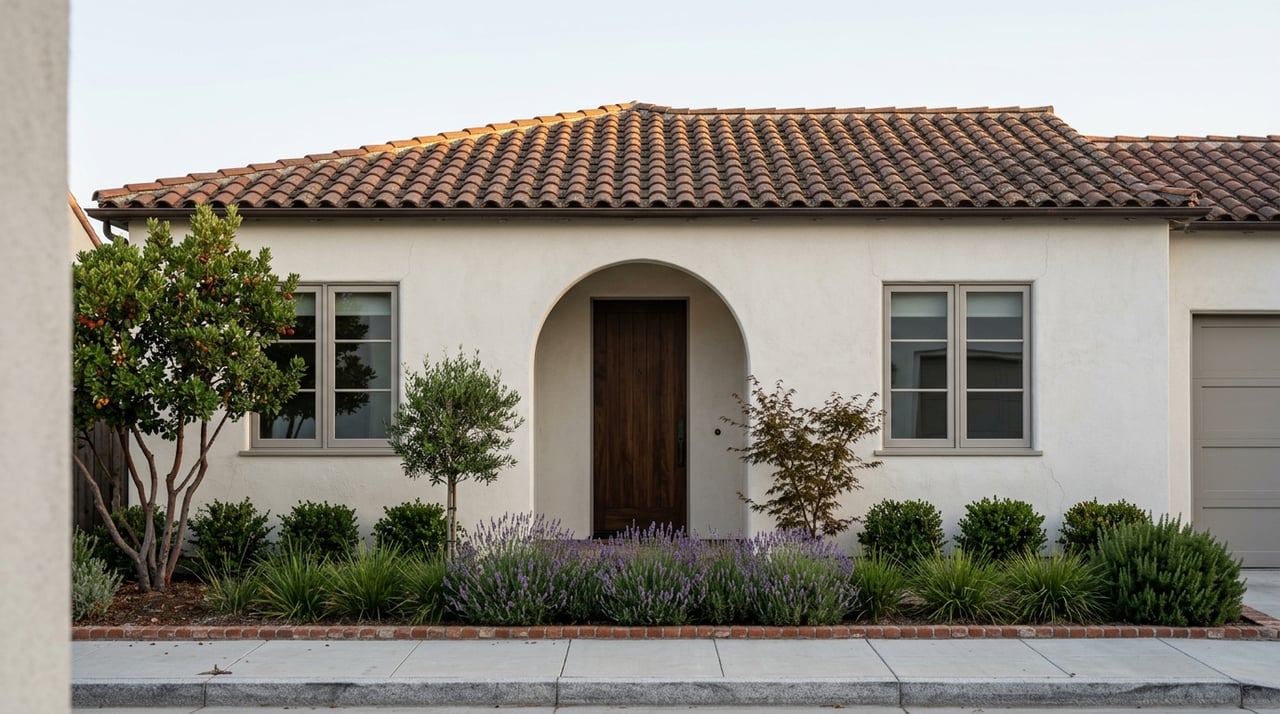
Berkeley Hills vs Flats Homes: What Drives Value?
June 25, 2026
June 25, 2026
Choosing between the Berkeley Hills and the flats is not just about views versus convenience. It is also about how micro-location shapes price, daily life, future flexibility, and even the type of maintenance you may take on. If you are weighing where to buy or how to position a home for sale, understanding those tradeoffs can help you make a smarter decision. Let’s dive in.
Berkeley works best as a collection of smaller submarkets, not one single housing market. The hills, North Berkeley, West Berkeley, Downtown-adjacent areas, and Southside all behave a little differently because they have different landforms, street patterns, housing stock, and zoning rules.
That matters when you compare value. In May 2026, Redfin reported a median sale price of about $1.924 million in Berkeley Hills, compared with about $1.499 million citywide, $1.400 million in North Berkeley, and $1.345 million in West Berkeley. In other words, elevation can matter, but neighborhood-level differences matter just as much.
It also helps to remember that one month of data can swing quickly, especially when the number of sales is limited. A headline price gap may be real, but it does not mean every hillside home will outperform every flatland home.
At a high level, the Berkeley Hills currently command a higher median sale price than the city overall. Redfin also shows the Hills moving quickly, with a median market time of 14 days and about 4 offers on average, compared with 15 days and about 5 offers citywide.
That can make it tempting to assume the hills always carry a straightforward premium. But Berkeley pricing is more layered than that. Some flatter neighborhoods sit closer to the city median, while others trail it, and the range reflects more than just topography.
Price per square foot tells a different story. In the same May 2026 period, Berkeley Hills averaged about $850 per square foot, while North Berkeley was about $1.23K per square foot and West Berkeley was about $1.05K per square foot.
That difference suggests buyers are often paying for more than interior size alone. Lot size, parcel shape, home style, and scarcity can all influence value, especially in a city with so many distinct housing types.
The hills premium tends to show up more clearly in total sale price and scarcity than in any single square-foot figure. Larger lots, more separation between homes, and a more dramatic setting can support higher overall pricing.
At the same time, flatter neighborhoods can deliver strong value in a different way. A smaller home on a more central lot may command a higher price per square foot because access, walkability, and day-to-day convenience are in high demand.
One reason Berkeley resists easy comparison is its unusually varied built environment. The city notes that most buildings were constructed between 1875 and 1940, and Berkeley has a strong Arts and Crafts and First Bay Tradition legacy.
That architectural variation shows up block by block. Areas near the University and Downtown developed earlier, West Berkeley and Lorin trace back to the 19th century, and many hillside areas expanded later with streetcars, the 1906 earthquake, and the rise of the automobile.
For buyers, that means location affects not just price but also the type of home you are likely to find. For sellers, it means presentation strategy should match both the architecture and the expectations of that specific submarket.
In flatter parts of Berkeley, the city describes Downtown as retaining an early-20th-century feel, Elmwood as compact and stylistically consistent, and Telegraph and Southside as vibrant commercial areas close to UC Berkeley.
These neighborhoods often appeal to buyers who want a tighter urban fabric and easier access to shops, transit, and everyday errands. The homes may sit on smaller parcels, but the location can add meaningful value.
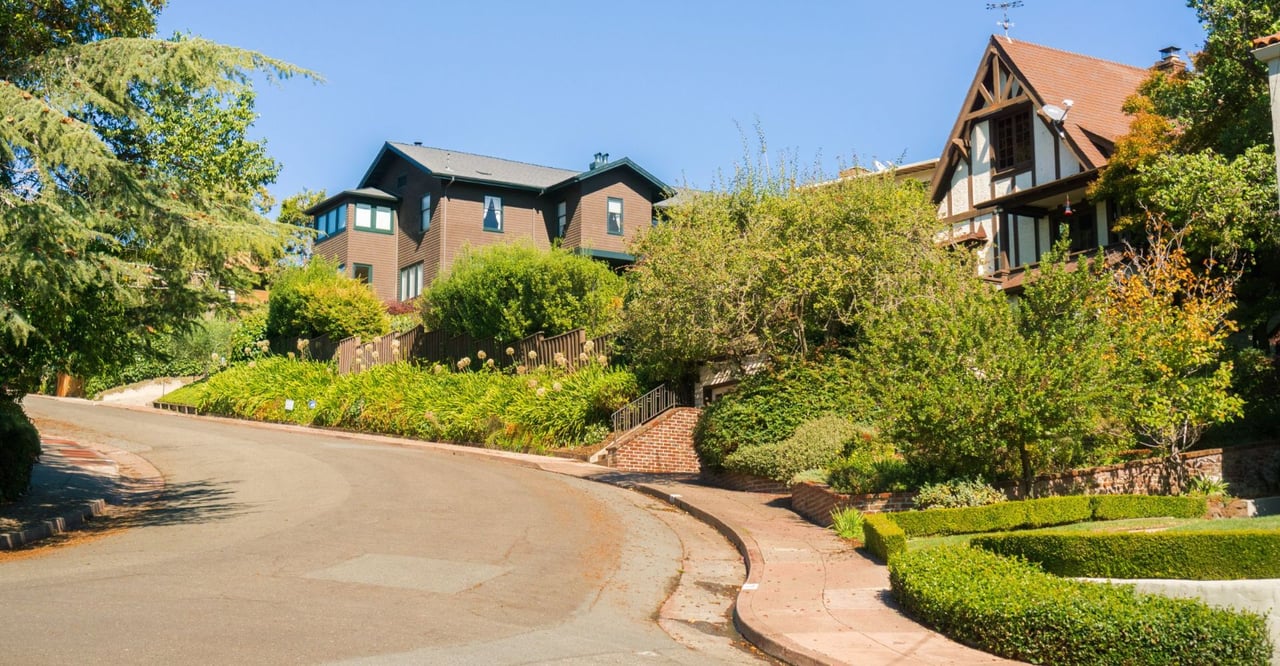
In the hills, value often comes from the setting itself. Steeper topography, winding streets, and later-era development can create a more secluded feel and a very different relationship to the lot.
That does not automatically make a hillside property better. It simply means the value equation often leans more toward setting, privacy, and lot character than toward centrality and convenience.
One of the most important differences between Berkeley Hills and flatter neighborhoods is redevelopment flexibility. Buyers do not always think about this upfront, but zoning can influence long-term utility and resale appeal.
Berkeley’s Middle Housing rules apply to most residential areas and allow duplexes, triplexes, fourplexes, courtyard apartments, and other small-scale multifamily housing. The city says these rules include a 35-foot height cap, a 60% lot coverage cap, and a 30-day ministerial review process.
The key detail is that these rules do not apply in the high fire hazard areas of the Berkeley Hills. That creates a real difference in how future use potential may be viewed across locations.
The city’s hillside standards are more restrictive than general flatland rules. They include a 5,000-square-foot minimum lot area, 400 square feet of open space per dwelling unit, 20-foot front and rear setbacks, 4-foot side setbacks, and 40% maximum lot coverage.
For some buyers, those limits are a fair trade for a more distinctive site. For others, flatter neighborhoods may offer more flexibility for future changes, additional units, or different long-term living arrangements.
Location also shapes value through everyday logistics. Berkeley’s transit network is anchored by AC Transit and BART, and the city continues to add bus lanes, bus stop improvements, crosswalks, and bicycle lanes that connect to BART stations.
Downtown Berkeley Station sits on Shattuck between Allston and Addison, near UC Berkeley and many shops, restaurants, theaters, and attractions. North Berkeley Station adds another strong access point and connects to the Ohlone Greenway.
If your routine depends on transit, biking, or walkable errands, flatter neighborhoods often have a built-in advantage. That kind of convenience can support both lifestyle appeal and resale demand.
Southside is a strong example of Berkeley’s lower-elevation, transit-rich pattern. The city says recent street changes made it easier to walk, bike, and take transit, with protected bikeways, bus-only lanes, and a short walk to Downtown Berkeley BART.
West Berkeley also reflects that convenience. Redfin lists it as Very Walkable, with a Walk Score of 89, Transit Score of 61, and Bike Score of 96.
Hillside living comes with a different rhythm. The city notes that many Berkeley Hills streets are steep, narrow, and curving, and its heavy-truck rules require trucks to use designated routes as much as possible.
That can affect deliveries, moving logistics, parking ease, and daily driving. For some buyers, those factors are minor compared with the appeal of the setting. For others, they are central to how livable a home feels over time.
Home value is also shaped by risk, insurance considerations, and ongoing upkeep. In Berkeley, the hills and the flatlands face different kinds of hazards, and buyers should understand those differences clearly.
The city identifies the highest wildfire-risk areas near Berkeley’s eastern wildlands, including the Grizzly Peak and Panoramic Mitigation Areas. It recommends defensible space, home hardening, and leaving the hills before a fire starts when Extreme Fire Weather is declared.
A 2025-2026 evacuation study also found that narrow roadways can complicate quick, large-scale evacuation in hillside areas. That does not define every hillside property the same way, but it is an important part of the ownership picture.
Lower-elevation neighborhoods are not risk-free. Berkeley’s disaster planning documents note that flood hazards include Strawberry Creek, tidal basin areas, West Berkeley, Aquatic Park, and low-lying areas west of the railroad tracks.
The city also describes flood potential as relatively mild compared with seismic, landslide, and fire risks overall. Even so, the type of risk matters when you evaluate a specific property and your comfort with maintenance and preparedness.
If you are buying in Berkeley, the best location is usually the one that matches how you actually want to live. The hills may suit you if you value views, a more secluded setting, and a property where the lot itself is part of the appeal.
The flats may suit you better if you want easier transit access, more walkable daily routines, and potentially greater flexibility under current zoning rules. Neither is universally better. They simply offer different value drivers.
A smart search often starts by ranking your priorities in plain terms:
If you are selling, your location should shape how your home is positioned in the market. A Berkeley Hills property may benefit from a strategy that highlights scarcity, setting, privacy, and the character of the site.
A home in the flats may benefit from a presentation that emphasizes access, architecture, neighborhood convenience, and flexibility. In Berkeley, strong marketing is rarely one-size-fits-all because buyers are often choosing between very different lifestyle patterns.
That is where neighborhood-level pricing, thoughtful preparation, and design-aware presentation can make a meaningful difference. The right story is not just about the house. It is about how the location contributes to value.
If you are weighing a move in Berkeley and want a clear read on how your block, lot, and neighborhood fit into today’s market, Scott & Scott Real Estate Associates can help you evaluate the tradeoffs and plan your next step with confidence.
Stay up to date on the latest real estate trends.
We understand that transitions are exciting, scary and stressful, but, more importantly, they are a huge step towards your future. Whether buying your first home or letting go of a lifetime of memories, the Scotts understand the process and will guide you through with timely information and sincere kindness.
SCOTT & SCOTT REAL ESTATE ASSOCIATES
ADDRESS
6211 MEDAU PL STE 210
OAKLAND CA 94611
Talley Scott | CA DRE# 01928609
Mindy Scott | CA DRE# 01154961