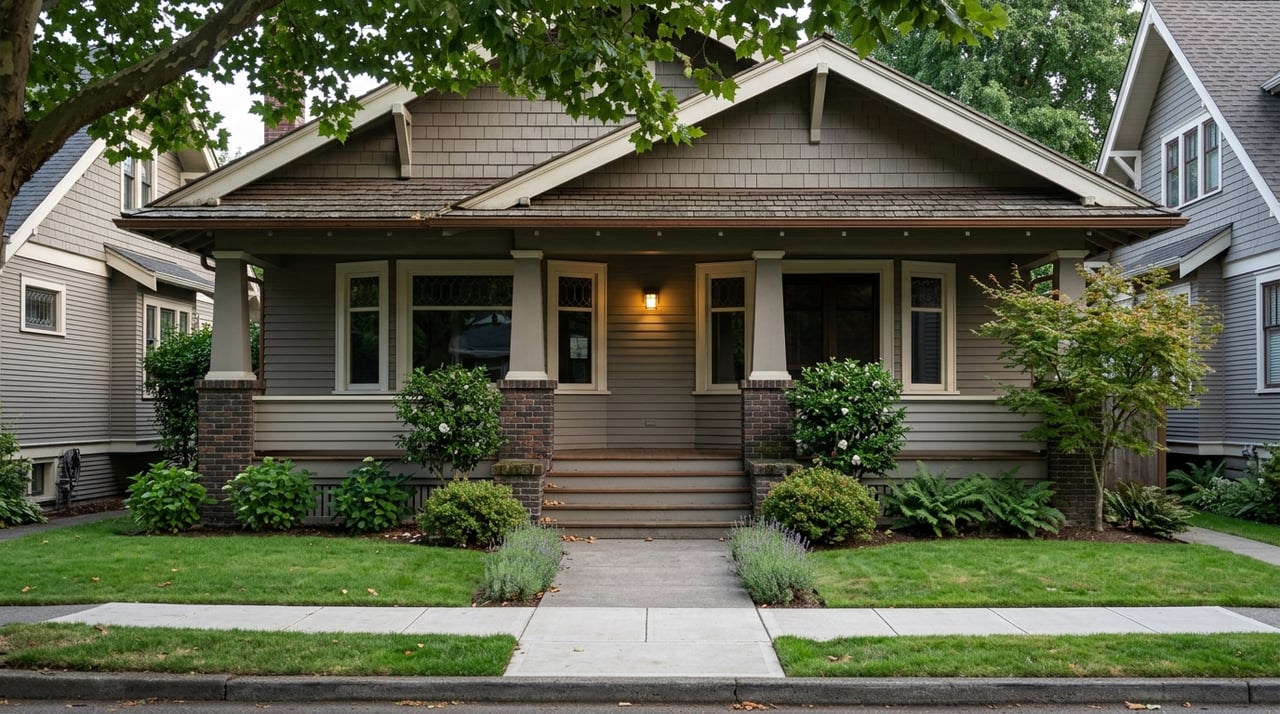
Oakland Neighborhoods for Design Lovers to Explore
July 9, 2026
July 9, 2026
Wondering where to begin if you love architecture as much as location? In Oakland, that is a smart question to ask early, because the city’s neighborhoods can feel dramatically different from one another in form, scale, and street character. If you want to sort your options by built environment instead of just commute or price, this guide will help you focus your search. Let’s dive in.
Oakland offers an unusually readable architectural story. The city’s preservation system includes individual landmarks and nine preservation districts containing roughly 1,500 buildings, which means many areas still show the patterns of earlier development in a way buyers can see and feel.
For you as a buyer, that matters because neighborhood identity is often visible in the streetscape itself. In Oakland, you can explore a lake-edge apartment district, a streetcar-era commercial corridor, a wooded hillside village, or a planned garden-suburb setting and quickly sense how each one lives.
That makes Oakland especially appealing if you care about details like facade rhythm, period styles, lot patterns, or how homes relate to parks and commercial areas. Instead of treating every neighborhood as a version of the same market, you can narrow your search by the physical setting that fits your taste.
A helpful way to compare Oakland neighborhoods is to look at built form first. In simple terms, that means asking what kind of place you want to come home to every day.
Do you want a village feel in the hills, with trees and quick access to outdoor space? Do you prefer a more urban neighborhood with apartment buildings and condos near the lake? Are you drawn to a lively retail corridor with older homes on nearby side streets, or do you picture a cohesive neighborhood of period homes on rolling, tree-lined blocks?
Those questions can lead you more quickly to the right shortlist. For many design-minded buyers, four Oakland neighborhoods stand out: Montclair, Adams Point near Lake Merritt, Temescal, and Crocker Highlands.
Montclair is the clearest choice here if you want a wooded setting with a distinct village center. The neighborhood is widely described as tree-covered and community-oriented, and that physical setting shapes the experience as much as the homes themselves.
The area also benefits from strong access to outdoor destinations. Joaquin Miller Park includes a notable urban redwood grove, and Redwood Regional Park sits just over the ridge, reinforcing Montclair’s connection to landscape and topography.
From a design perspective, Montclair is not just about scenery. Oakland heritage materials also point to the neighborhood’s history and architecture, which makes it a compelling option if you want a place that feels visually thoughtful rather than purely recreational.
If you are drawn to homes that feel integrated with nature, Montclair may rise to the top of your list. Its village setting, tree canopy, and hillside geography create a different visual rhythm than flatter, more urban parts of Oakland.
You may also appreciate the contrast between a small-scale commercial hub and nearby residential streets. That balance can appeal to buyers who want character and convenience without the more intense urban fabric found closer to downtown or Lake Merritt.
Adams Point is the most urban and condo-friendly neighborhood in this group. If you want historic surroundings combined with apartment or condo inventory, this area offers one of Oakland’s strongest fits.
Oakland’s preservation program identifies the Bellevue-Staten Apartment District along Lake Merritt in Adams Point. City historic survey materials also document much of the neighborhood, reflecting its significance within Oakland’s architectural landscape.
City reports describe Adams Point as an area that expanded after the 1906 earthquake. Early houses in Prairie, Craftsman, and related early-20th-century styles remain part of the mix, while later apartment development created a more layered built environment.
The broader Lake Merritt edge strengthens Adams Point’s appeal for buyers who like urban design variety. Lake Merritt itself is a designated city landmark, and the surrounding park system includes Lakeside Park, Children’s Fairyland, the Gardens at Lake Merritt, and the Rotary Nature Center.
The city also describes Lake Merritt as the nation’s first wildlife refuge. That combination of landmark water frontage, civic open space, and apartment-lined streets gives the area an identity that feels both architectural and distinctly Oakland.
If you want a neighborhood where apartments and condos are a central part of the built environment, Adams Point deserves close attention. The broader Lake Merritt and Lakeside edge includes apartment buildings from the 1920s and 1930s, along with mid-century modern examples noted in city planning documents.
That makes this area especially useful to explore if you prefer shared-wall living but still want architectural interest. You are not choosing between design character and practical inventory here. In many cases, you can pursue both.
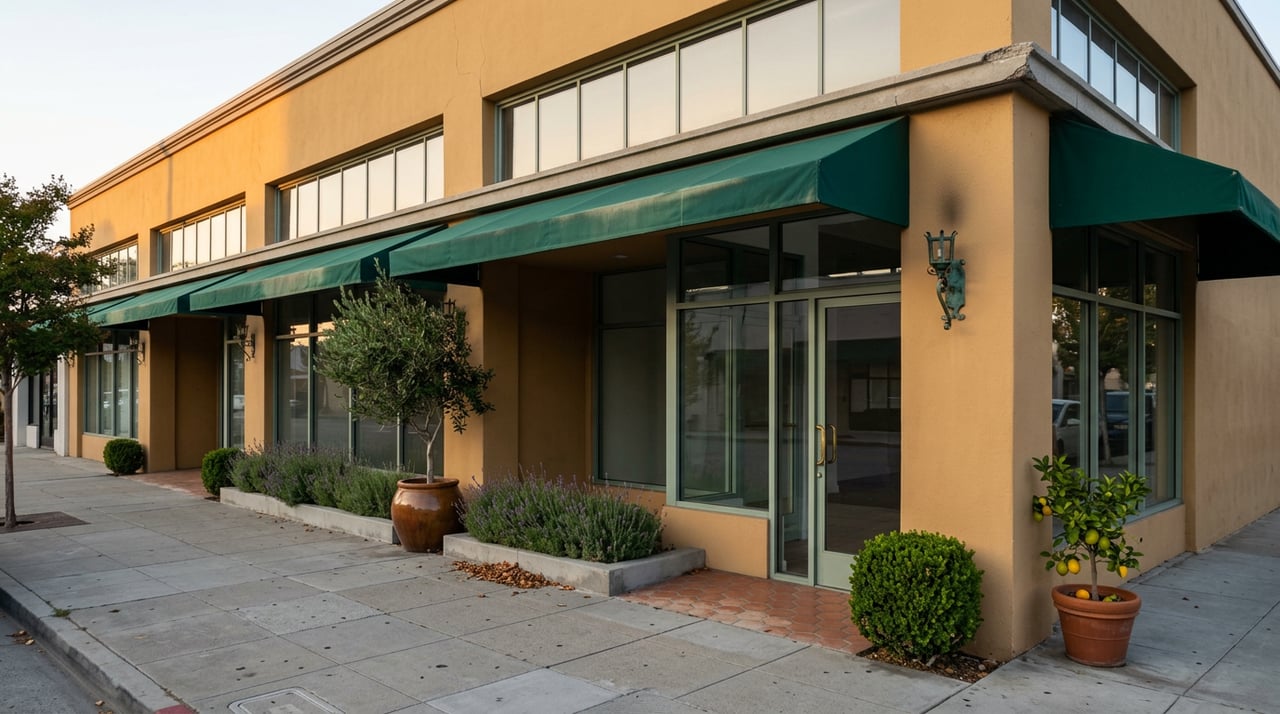
Temescal offers the most active commercial-corridor energy on this list. Its main strip is centered on Telegraph Avenue between 40th and 51st, where the neighborhood’s visual identity comes from a mix of storefront activity and older residential building types nearby.
This is one of north Oakland’s oldest neighborhoods, and it reads that way in the built fabric. Sources describe pre-war duplexes, bungalows, and an occasional Victorian, which creates a looser, more eclectic residential mix than the more uniform streetscapes found in some other neighborhoods.
The neighborhood also benefits from transit access near MacArthur Station. For buyers who want architecture tied closely to a walkable commercial setting, that can be a meaningful part of the appeal.
Temescal stands out less for one signature housing type and more for its corridor-based identity. The streetscape along Telegraph and adjacent blocks is an important part of the neighborhood experience, and local improvement efforts have focused on maintaining and improving that visual environment.
You may be drawn to Temescal if you like places where design is experienced at sidewalk level. Temescal Alley and the annual street fair further reinforce the area’s identity as a small-business and food-centered district rather than a quiet enclave.
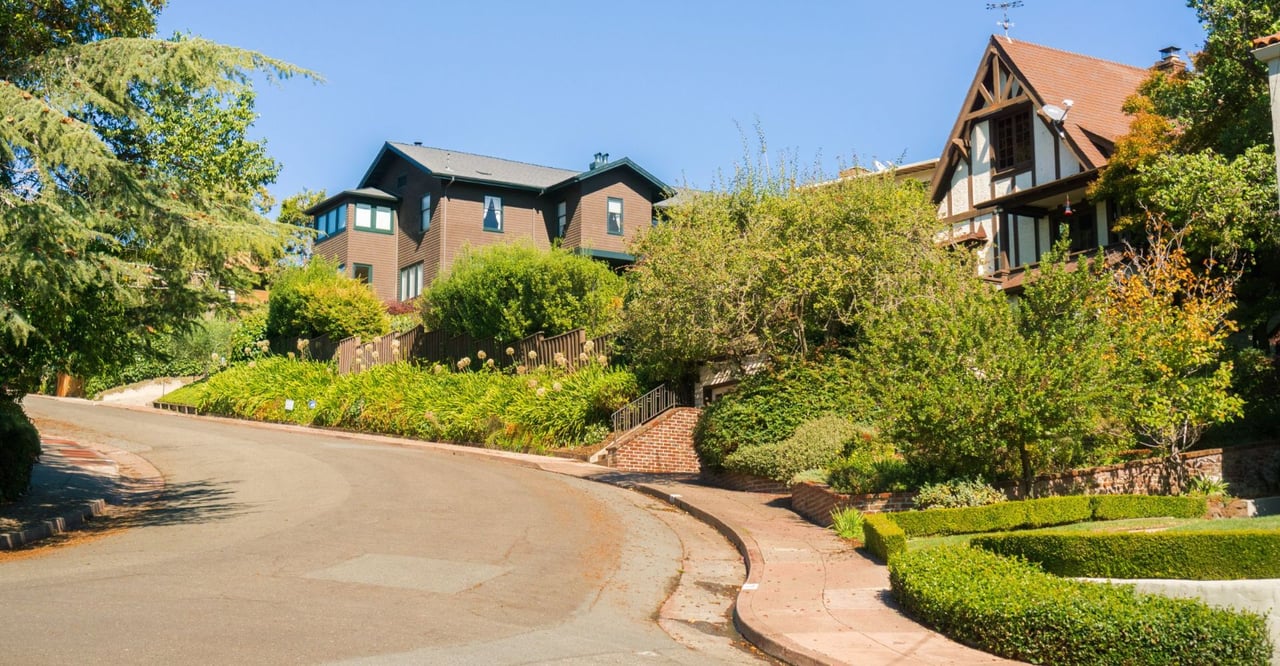
Crocker Highlands is the strongest choice if your priority is a cohesive period-home streetscape. City planning records describe it as a historic neighborhood built primarily in the 1920s and 1930s, and heritage materials for the broader Highlands area emphasize its distinct planning and architectural character.
Here, you will find references to Tudor, Spanish, Arts and Crafts, Beaux Arts, and Art Deco period homes. The neighborhood is also associated with rolling, tree-lined streets and an English-garden-suburb character shaped by the Olmsted Brothers.
For design-minded buyers, that combination is powerful. You are not simply looking at individual houses with charm. You are considering a neighborhood where the streetscape itself is part of the appeal.
If ornate facades, mature landscaping, and a strong sense of architectural continuity matter most to you, Crocker Highlands may feel especially compelling. The neighborhood offers a more legible single-family environment than the mixed apartment and commercial contexts found elsewhere on this list.
That does not make it better for everyone. It simply means it suits buyers who want a highly defined residential setting, where the visual identity of the neighborhood is closely tied to period architecture and street planning.
If you are comparing these four areas, a quick summary can help:
The key is to choose based on the physical environment you want to live in every day. That lens often brings more clarity than starting with a broad search map and hoping the right fit appears.
When you visit these neighborhoods, try to look beyond finishes inside a home. Pay attention to the block, the setback patterns, the mix of building types, and how the streets connect to parks, shops, or civic landmarks.
You may also want to notice whether you respond more strongly to consistency or variety. Some buyers feel most at home in a neighborhood with a unified architectural language, while others prefer a layered environment where different eras sit side by side.
That kind of clarity can make your home search more focused and less overwhelming. In a city as varied as Oakland, understanding your design priorities early can help you recognize the right neighborhood faster.
If you are looking for a home in Oakland with architectural character, neighborhood context matters as much as square footage. Scott & Scott Real Estate Associates brings a design-aware, neighborhood-first approach to helping you find the right fit.
Stay up to date on the latest real estate trends.
We understand that transitions are exciting, scary and stressful, but, more importantly, they are a huge step towards your future. Whether buying your first home or letting go of a lifetime of memories, the Scotts understand the process and will guide you through with timely information and sincere kindness.
SCOTT & SCOTT REAL ESTATE ASSOCIATES
ADDRESS
6211 MEDAU PL STE 210
OAKLAND CA 94611
Talley Scott | CA DRE# 01928609
Mindy Scott | CA DRE# 01154961