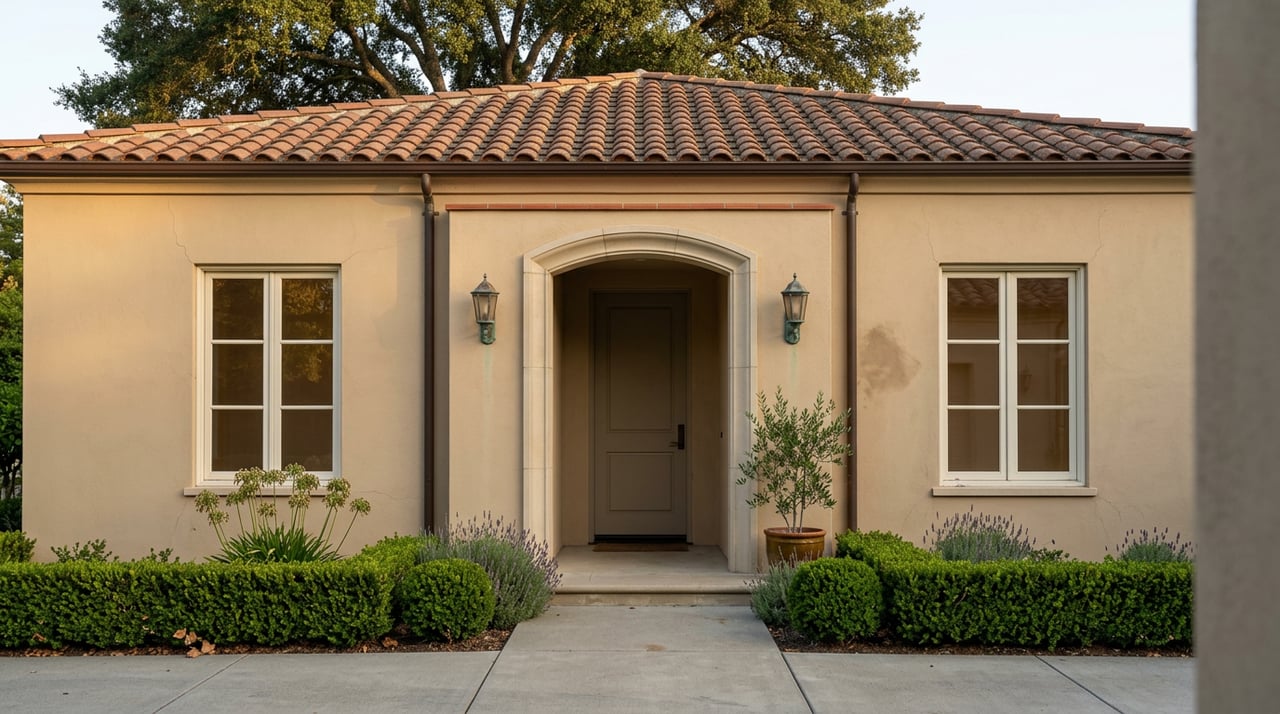
Piedmont Just Swapped Its Summer Guide For Its Fall One. Here's What That Actually Changes.
August 20, 2026
August 20, 2026
If you walked past the Piedmont Center for the Arts on Magnolia Avenue this past week, you caught the tail end of something that's easy to miss if you're not looking for it. The building's small summer concert run wrapped its last date on August 16, a boogie-woogie piano set following a jazz trio and a jazzy-folk duo across four dates spread through the first half of the month, in a room that seats a fraction of what a proper concert hall does. Around the same week, the city's Recreation Department quietly did something else: it retired the Summer Activity Guide and put out the Fall one, the document that governs everything from Schoolmates after-school care to the adult social evenings the department runs through the end of December.
That overlap is the actual story. Piedmont doesn't run its community life through a scattered restaurant row or a rotating cast of independent venues the way Oakland or Berkeley does. It runs it through one recreation department, one activity guide that flips twice a year, and a short list of buildings that each carry more than one job. If you live here, understanding how that handoff works tells you more about the rhythm of the town than any single event on the calendar.
801 Magnolia Avenue is worth knowing by number, because it's not one venue. It's the Piedmont Center for the Arts, which just closed out its summer concert series, and it's also where the Piedmont Recreation Department holds its adult social evenings, described on the city's own site as gatherings "designed for you to unwind, gather with friends, and make new connections in a relaxed and engaging atmosphere." One building, one address, two entirely different calendars running through it depending on which department booked the room that night.
That's a different model than what you'd find a few miles away. In Oakland or Berkeley, a chamber music recital and a bar trivia night happen in buildings owned by different people, often blocks apart. In Piedmont, a city of roughly 11,000 residents, the same civic footprint does both, which is part of why a small concert series with no marketing budget to speak of can still fill a room. Everyone already knows where it is.
The programming itself tells you something too. This past summer's lineup wasn't a single genre repeated across its four dates. It moved from a straight jazz trio to a folk act billed as "jazzy folk" to a boogie-woogie set, the kind of range you'd expect from a venue trying to serve a whole town's taste rather than one demographic's. That's a deliberate choice for a small room working with a limited number of open dates each summer.
Here's where the mechanics matter. The city's Summer Guide covered programming from June through the middle of August. The Fall Guide, released in early August, picks up right where that leaves off and runs through the end of December. There's no gap month, no dead zone. The moment one document closes, the next one is already live and taking registrations.
| Guide | Coverage Window | What It Includes |
|---|---|---|
| 2026 Summer Guide | June through mid-August | Classes, camps, sports, aquatics, summer events |
| 2026 Fall Guide | August through end of December | Schoolmates after-school, aquatics, youth and teen creative arts, music and dance, adult programs, PRD basketball |
The practical implication is timing. Piedmont's Recreation Department runs registration through a CommunityPass account, and the city is explicit that advance sign-up is the better route: registering at the door "can take longer and may slow your entry." For a fall lineup that spans everything from afterschool care to adult evening programs, that's not a minor scheduling note. Spots in the more popular fall classes and camps tend to move fast in a town this size, and the guide dropping in early August means the clock on fall registration started weeks before most residents think to check.
If you have a household that relies on Schoolmates for after-school coverage, or you're eyeing one of the youth-teen creative arts sessions, the window to register without a waitlist scramble is now, not after Labor Day.
The new Fall Guide also flags something further out. Buried in its pages is a save-the-date for Friday, September 25, at 7:15 PM at Piedmont Park, a little over five weeks from now. The guide doesn't spell out full programming details yet.
That's worth noting because Piedmont doesn't generate a lot of these citywide moments. Compare it to the volume of programming a neighboring city runs through dozens of independent businesses, and Piedmont's version is a handful of dates a year, each one carrying more weight because there's less competing for attention. When the city puts a park date in the guide over a month out, it's functioning the way a marquee event would in a bigger town, just compressed into a single evening at a single park.
None of this is a complaint about Piedmont lacking options. It's the opposite. The town has organized its shared life so that almost everything routes through two touchpoints: the Recreation Department's twice-yearly guide and a small cluster of buildings anchored by 801 Magnolia Avenue and Piedmont Park. That's what a walkable town of this size looks like when it's working. You don't need a restaurant guide or an events aggregator to know what's happening this month. You need one PDF and a sense of which building is hosting which department tonight.
For residents who've been here a while, this probably isn't news exactly, but it's easy to experience the rhythm without naming it. The concert series ends, the guide flips, the fall calendar fills in behind it, and the whole thing repeats with enough consistency that you stop noticing the mechanism. Naming it is useful anyway. It's the reason a summer concert run with almost no advertising can still feel like a fixture, and the Fall Guide lists the September park date more than a month in advance.
If you're weighing whether a town this size can still feel connected without the density of a bigger city's calendar, this is the answer. Piedmont's version of a busy season doesn't come from more venues. It comes from the same few venues working harder, on a schedule residents can actually hold in their heads.
For those of us who've spent years walking this town's few blocks and watching its calendar turn over twice a year, that scale is the whole appeal. It's also the kind of detail that only shows up once you've lived here long enough to watch a guide change hands in real time.
If you're thinking about what it actually feels like to live inside a town this compact, or you're weighing a move within Piedmont itself, Scott & Scott Real Estate Associates knows these blocks the way residents do. Contact us for a personalized consultation.
Stay up to date on the latest real estate trends.
We understand that transitions are exciting, scary and stressful, but, more importantly, they are a huge step towards your future. Whether buying your first home or letting go of a lifetime of memories, the Scotts understand the process and will guide you through with timely information and sincere kindness.
SCOTT & SCOTT REAL ESTATE ASSOCIATES
ADDRESS
6211 MEDAU PL STE 210
OAKLAND CA 94611
Talley Scott | CA DRE# 01928609
Mindy Scott | CA DRE# 01154961